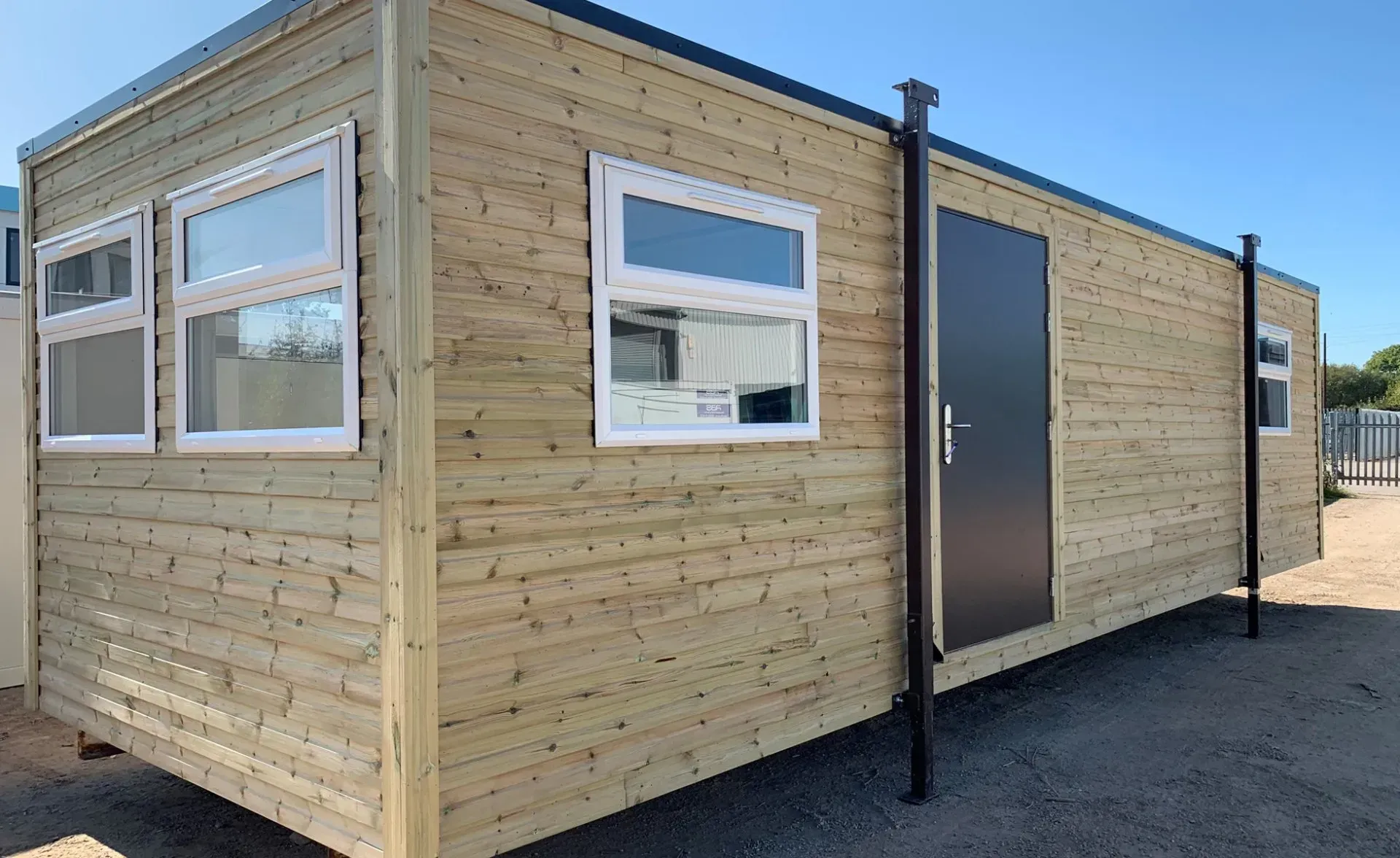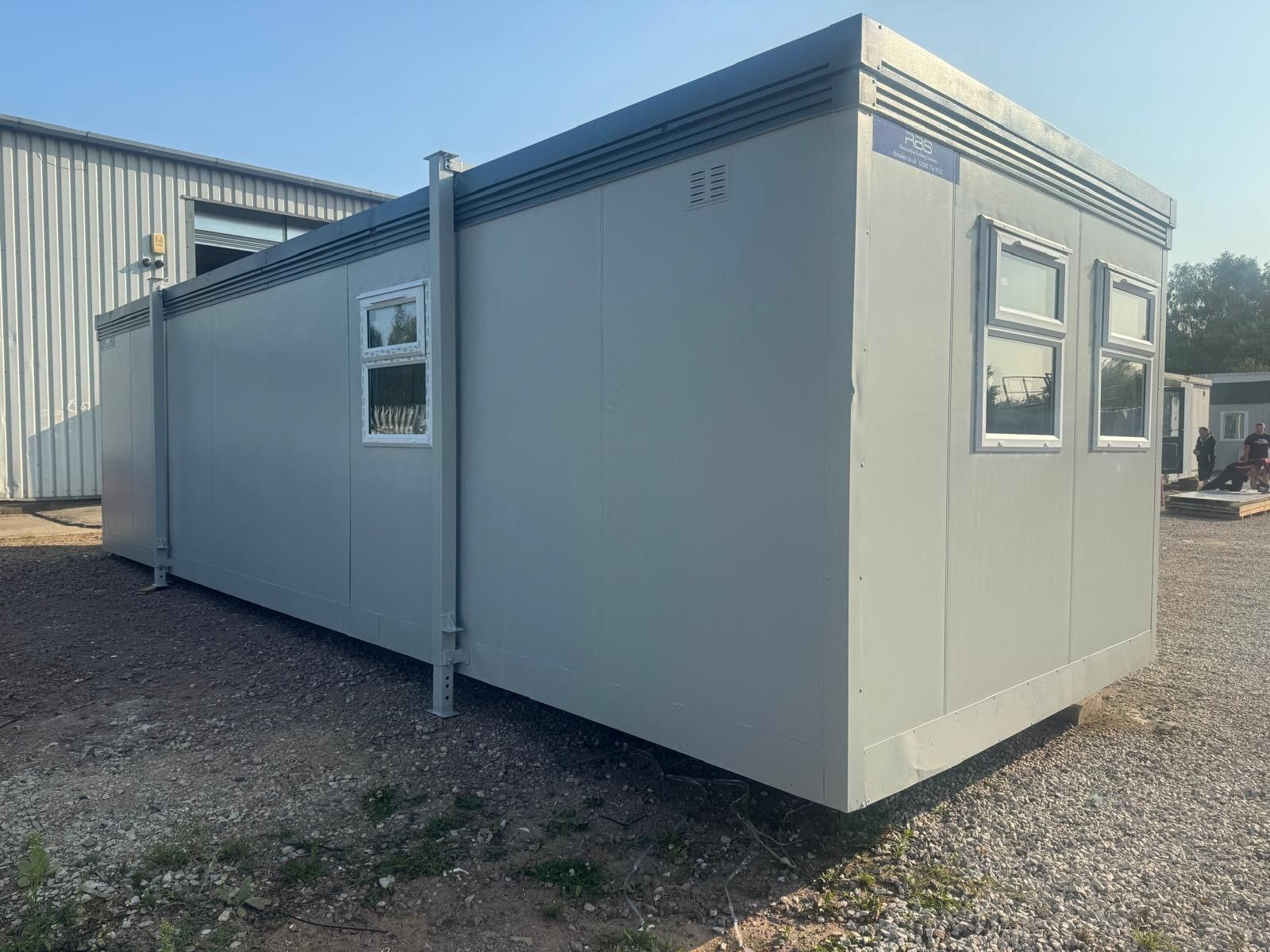
Anti-vandal cabins are the right choice when a site is unattended, remote, publicly accessible, or used to store valuable tools, equipment, or documents. Their reinforced construction is designed to make forced entry and deliberate damage more difficult, although lower-risk and continuously supervised sites may only require a standard portable cabin.
Site security is rarely a one-size-fits-all issue. A busy urban construction project, a remote industrial compound, and a temporary outdoor event all face different risks, but each may have cabins, welfare units, or equipment stores left exposed overnight or during unmanned periods.
This guide explains the security features, site conditions, applications, and recognised standards that can help determine whether an anti-vandal cabin is the right investment.
What Makes a Cabin "Anti-Vandal"?
Anti-vandal cabins are built differently from standard portable cabins, with reinforcement designed specifically to resist tampering, break-ins, and impact damage. Common features include:
● Steel-clad or profiled steel exteriors that resist cutting, prying, and impact damage far better than timber or thin composite panels.
● Anti-climb roofing and recessed windows to prevent access points being used to scale or breach the unit.
● High-security, multi-point locking systems, often with hidden or reinforced hasps that can't be easily levered off.
● Toughened or polycarbonate glazing, or steel security shutters over windows.
● Reinforced doors and frames, sometimes with anti-jack plates to stop crowbar attacks.
● Raised or fully enclosed underfloor areas to prevent access from beneath the unit.
● CCTV and alarm compatibility, allowing integration with wider site security systems.
Together, these features don't make a cabin indestructible, but they significantly increase the time and effort needed to break in, which is usually enough to deter casual vandalism and opportunistic theft.
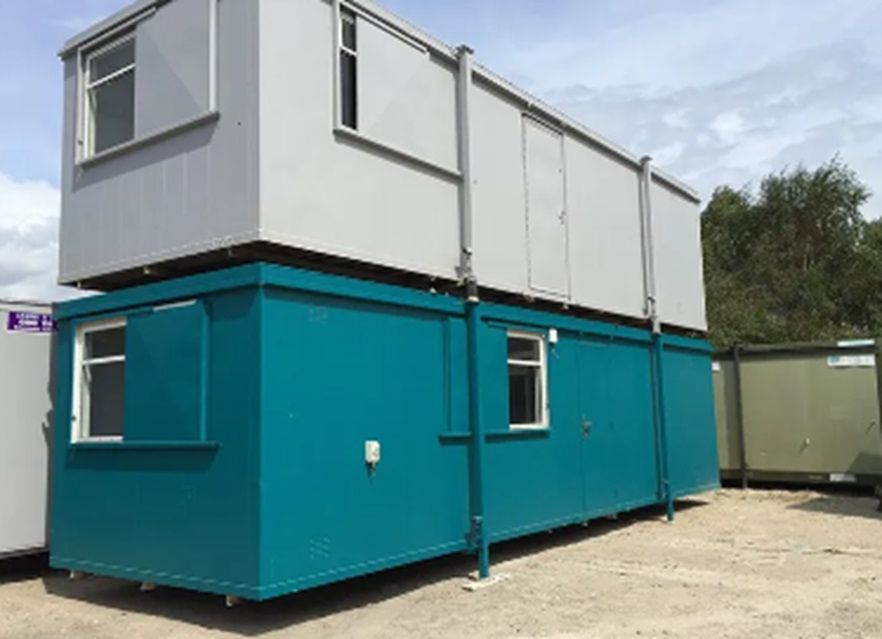
When High-Risk or Remote Sites Need Extra Protection
Anti-vandal cabins earn their cost most clearly on sites where risk is elevated by location, isolation, or asset value. Key indicators that a site needs this level of protection include:
Unmanned overnight or during weekends. Any site left unattended for extended periods — evenings, weekends, holiday shutdowns — is a target window for opportunistic damage or theft. The longer a site sits empty, the more attractive it becomes.
Remote or secluded locations. Rural construction projects, utility installations, quarries, and infrastructure sites often sit away from passing traffic and natural surveillance. Isolation that benefits the project can also shield intruders from being seen.
History of vandalism or theft in the area. Sites in areas with a known pattern of break-ins, or those that have already experienced an incident, are statistically more likely to be targeted again.
High-value contents. Cabins storing power tools, surveying equipment, generators, or sensitive documents represent a meaningful loss if broken into, both in replacement cost and project delay.
Long-duration projects. The longer a cabin sits on site, the more opportunities exist for it to be scouted and targeted. Multi-month or multi-year contracts justify a higher security spec from day one.
Public-facing or urban sites. Paradoxically, high-footfall urban sites carry their own risk profile such as casual vandalism, graffiti, and opportunistic break-ins by passers-by are more common where public access is easy.
The more of these factors that apply, the stronger the case for choosing an anti-vandal cabin.
| Site condition | Likely suitable option |
|---|---|
| Supervised, low-value contents, short duration | Standard cabin |
| Unattended overnight or at weekends | Anti-vandal cabin |
| Remote or secluded location | Anti-vandal cabin |
| High-value tools or equipment stored inside | Anti-vandal cabin |
| Public-facing temporary event | Anti-vandal cabin or enhanced-security unit |
| Existing guards, CCTV and controlled access | Assess based on residual risk |
Compliance and Standards to Look For
Not all "anti-vandal" cabins are built to the same standard, so it's worth checking specifications against recognised benchmarks:
● LPS 1175 (Loss Prevention Standard) rates the resistance of security products, including cabins, against forced entry using specific tools and time limits. Higher-rated products (e.g. Security Rating 2 and above) withstand more sustained attack attempts.
● Secured by Design (SBD) accreditation, a UK police-backed initiative, indicates a product has been independently assessed for crime prevention effectiveness.
● Insurance requirements. Many site insurance policies stipulate minimum security standards for on-site cabins storing tools or equipment above a certain value, failing to meet them can invalidate cover in the event of a claim.
● CDM Regulations (Construction, Design and Management) in the UK also place a general duty on contractors to secure sites against unauthorised access, which anti-vandal cabins help satisfy alongside fencing and access control.
Checking a supplier's certification against these standards is a reliable way to separate genuinely robust units from cabins that are simply marketed as "secure."
Construction Site Applications
Construction sites are the most common setting for anti-vandal cabins, and for good reason. Tool theft alone costs the UK construction industry hundreds of millions of pounds annually, and stripped-out sites cause project delays that far outweigh the cost of the stolen items. Anti-vandal welfare units, tool stores, and site offices protect:
● Power tools and small plant equipment
● Site documentation, drawings, and contracts
● IT equipment used for site management
● Staff welfare facilities from deliberate damage
For contractors managing multiple sites, standardising on anti-vandal cabins also simplifies insurance compliance across a portfolio of projects.
Industrial Applications
Industrial sites such as depots, utility compounds, waste and recycling facilities, ports, and rail infrastructure often combine remote locations with high-value or hazardous contents. Anti-vandal cabins here typically serve as:
● Secure control rooms or monitoring stations
● Chemical or equipment stores requiring restricted access
● Perimeter security cabins for access control points
● Long-term storage for specialist tools and spare parts
Because industrial sites frequently operate with minimal on-site staff outside working hours, the physical resistance an anti-vandal cabin provides substitutes for security personnel that would otherwise be needed.
Event-Based Applications
Outdoor events such as festivals, sporting fixtures, agricultural shows, and temporary retail installations present a different but equally valid case for anti-vandal cabins. These sites are:
● Open to large numbers of unfamiliar members of the public
● Often unattended overnight during multi-day events
● Home to cash handling, ticketing equipment, or AV/broadcast technology
● Set up in locations without permanent security infrastructure
Anti-vandal ticket booths, cash offices, and equipment stores protect valuable event infrastructure during the hours when crowds have left, but equipment remains on site.
The Added Value: Why It's Worth the Investment
Beyond the direct prevention of theft and damage, anti-vandal cabins deliver value in several less obvious ways:
● Reduced insurance premiums or improved eligibility, where the security specification directly affects policy terms.
● Fewer project delays, since replacing stolen tools or repairing damaged welfare facilities can halt work for days.
● Lower long-term hire or ownership costs, as reinforced units withstand wear, weather, and attempted break-ins better than standard cabins — extending their usable lifespan.
● Peace of mind for site managers, who can rely on a consistent security baseline rather than depending solely on fencing, lighting, or guarding.
How to Choose the Right Cabin for Your Site
When evaluating options, it helps to assess:
- Site risk level — location, duration, and history of incidents.
- Contents value — what's being stored and what it would cost to replace or delay.
- Certification — LPS 1175 rating, SBD accreditation, and insurer requirements.
- Configuration needs — welfare, storage, office, or control room functions.
- Hire vs. purchase — short projects may favour hire, while long-term or recurring use often justifies ownership.
Frequently Asked Questions
Do all construction sites need anti-vandal cabins?
No. Low-risk, well-supervised sites with minimal valuable contents may be adequately served by standard cabins. Anti-vandal units are most valuable where risk factors such as remoteness, unmanned hours, high-value contents, or prior incidents are present.
Are anti-vandal cabins more expensive to hire or buy?
Typically, yes, due to the reinforced materials and security hardware involved, but the added cost is usually offset by reduced theft losses, fewer delays, and potential insurance benefits.
Can anti-vandal cabins be customised for specific uses?
Yes. They can be configured as welfare units, offices, tool stores, control rooms, or ticket booths, with security features layered on top of the base configuration.
Final Thoughts
Anti-vandal cabins aren't a blanket requirement for every site, but they are the right solution wherever risk, remoteness, or asset value raises the stakes. For construction, industrial, and event applications facing unmanned hours, isolated locations, or valuable contents, the combination of reinforced construction and recognised security certification makes anti-vandal cabins a cost-effective way to protect people, equipment, and project timelines alike. Speak to a member of our team today.