How to Maintain Your Temporary Site Accommodation Building
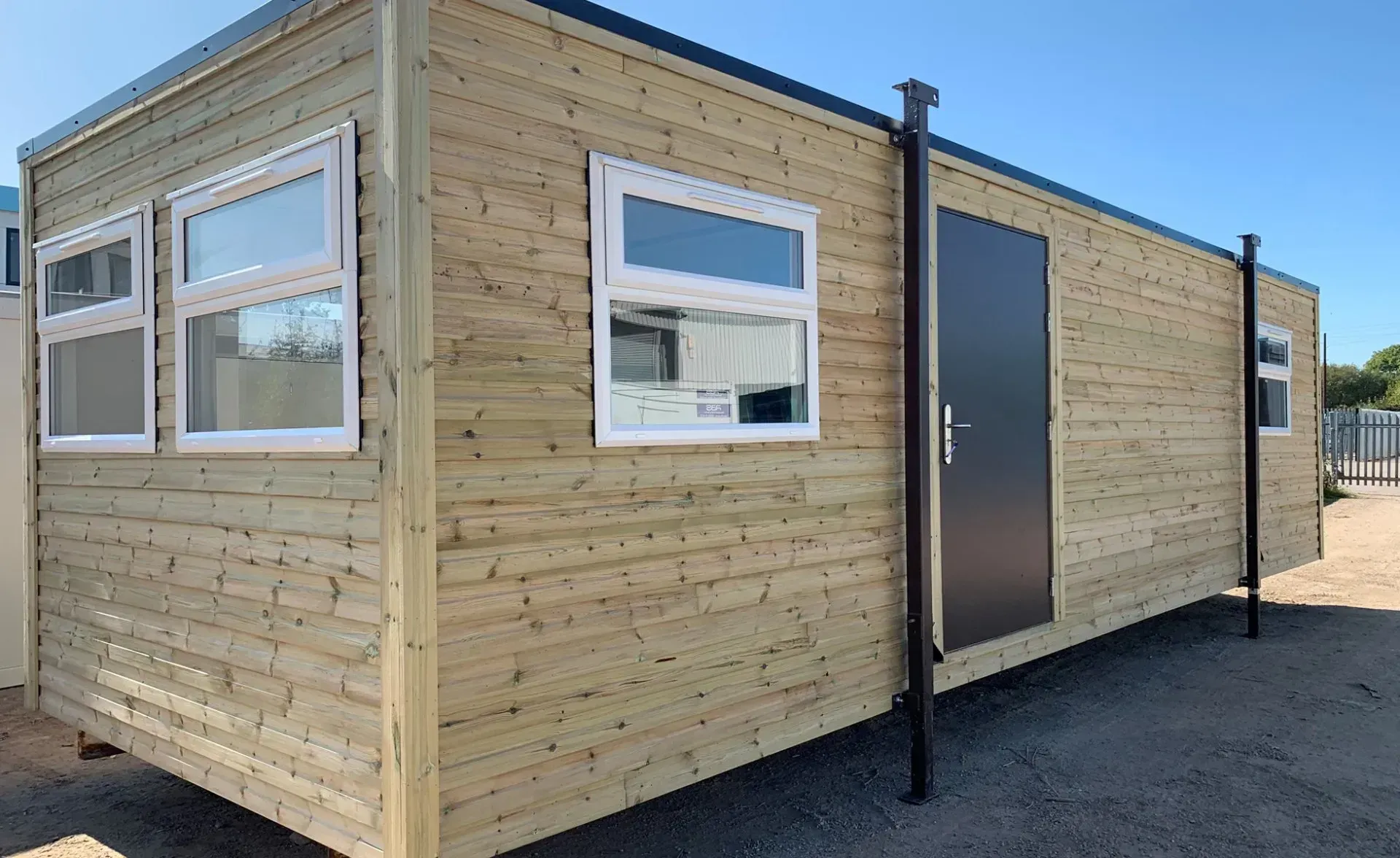
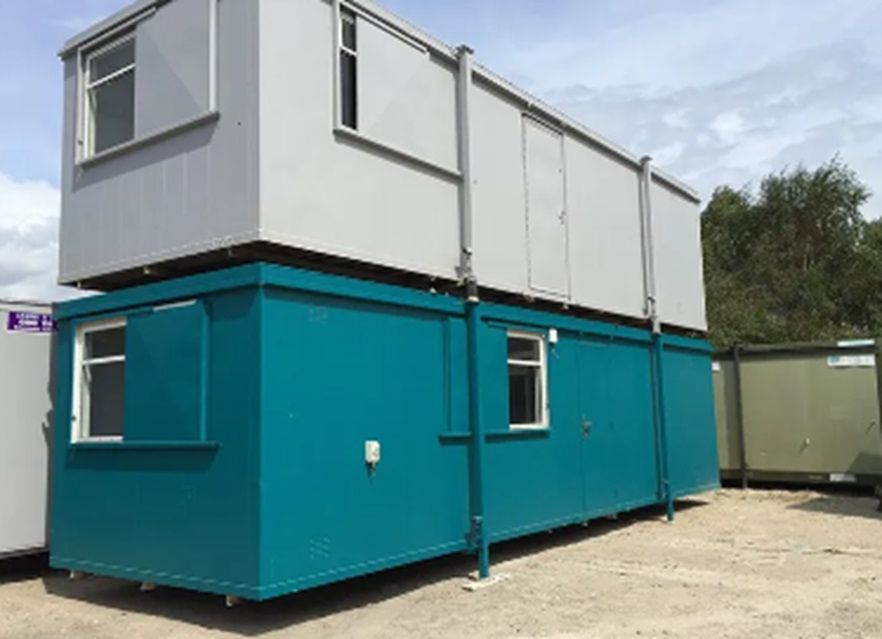
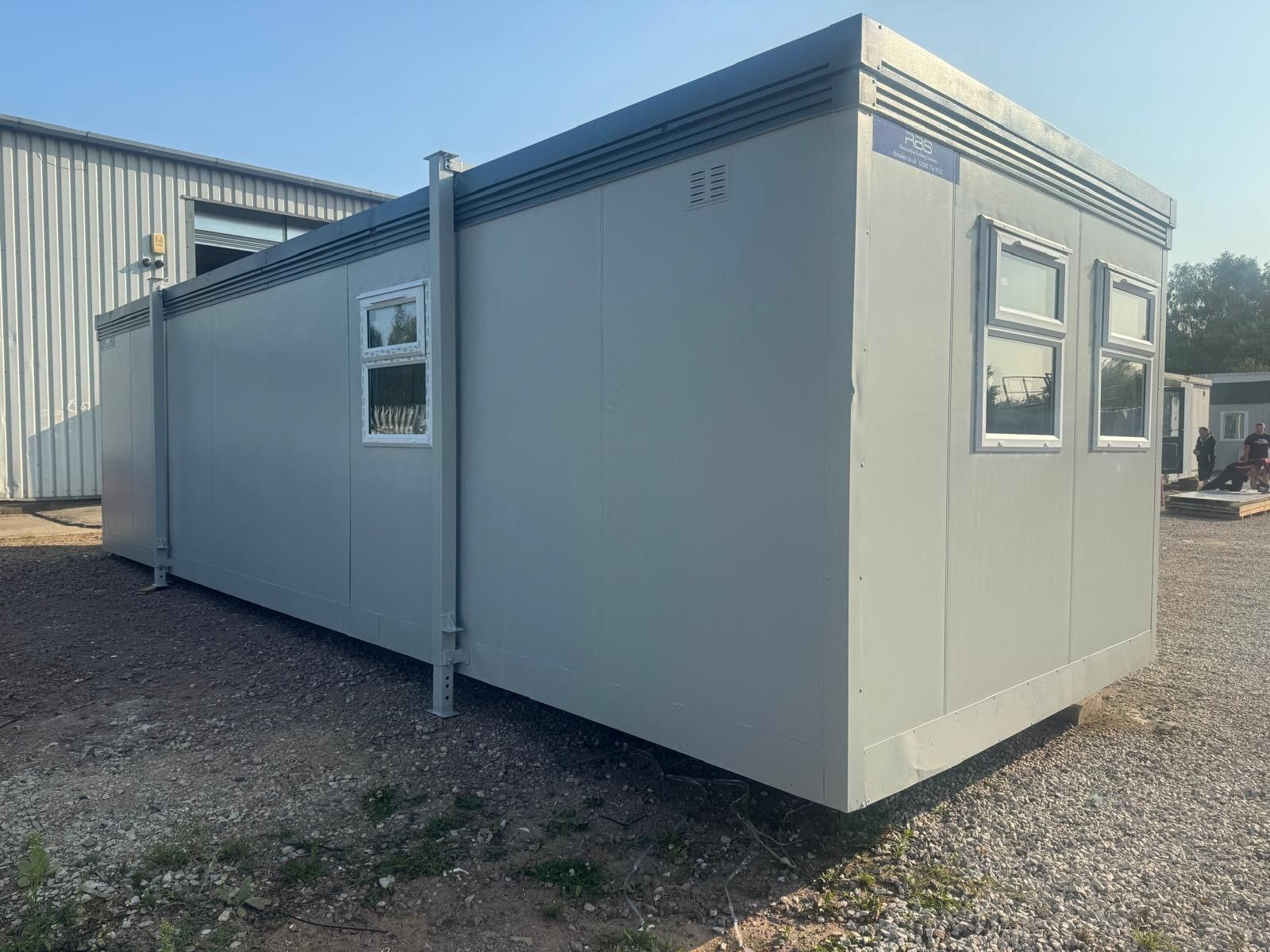
Temporary site accommodation is built to work hard. Whether it's a construction site office, a welfare unit, or a modular classroom, these buildings are used daily, often in demanding outdoor conditions, and by a rotating cast of staff who expect them to work simply. The good news is that with a straightforward maintenance routine, a well-built modular building or portable cabin can comfortably remain in use for years, or even decades, without letting you down.
Below, we've put together practical, seasonal advice to help you keep your temporary building safe, comfortable and looking its best, along with a cleaning routine and inspection checklist you can adapt to your own site.
Why Does Regular Maintenance Matter for Temporary Site Accommodation?
It's tempting to think of a portable building as a "fit and forget" solution, but the buildings that last longest are the ones that get looked after. Regular maintenance protects your investment, keeps staff safe and comfortable, and helps you stay compliant with health and safety obligations, including the welfare standards set out in the Construction (Design and Management) Regulations. It also reduces the likelihood of a small issue, such as a dripping tap or a loose panel, turning into a costly repair further down the line.
There's a financial argument here, too. A building that's properly maintained retains more of its value, whether you plan to sell it on, part-exchange it, or simply get the maximum use out of it before it's relocated to a new site. If your unit starts to show its age, our additional building services team can assess, repair and refurbish it rather than you needing to replace it outright.
In short, consistent upkeep protects your team, your budget and the lifespan of your building.
How Should You Prepare Your Building for Winter?
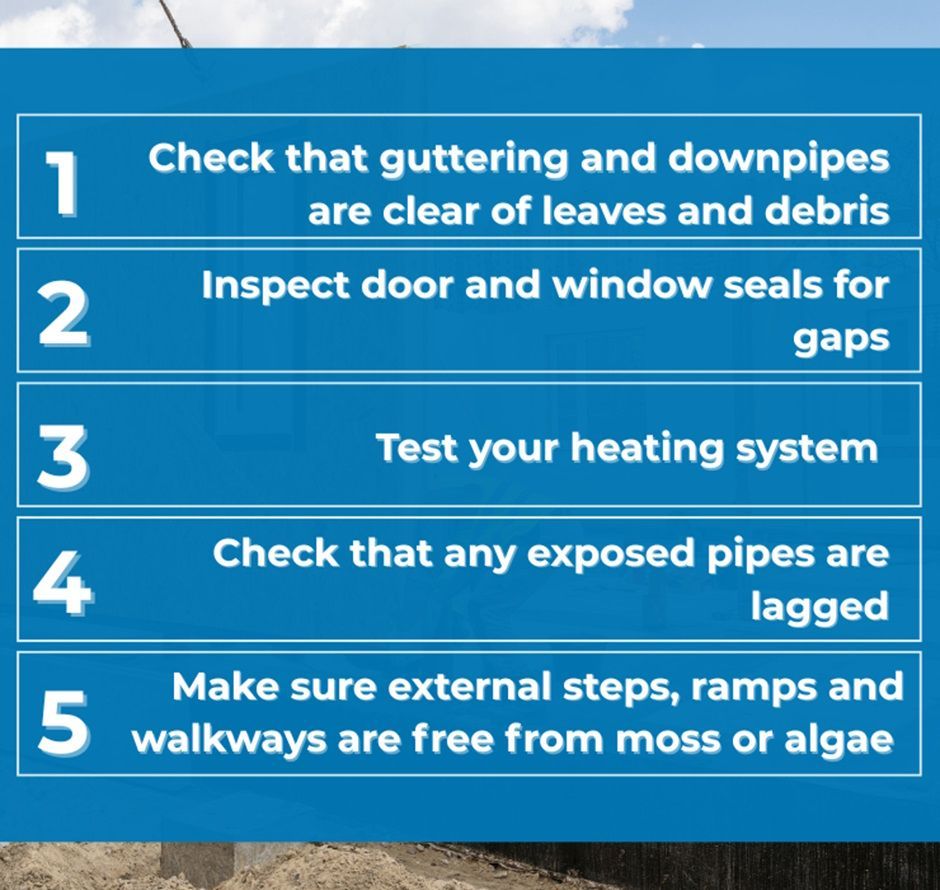
Cold, wet and windy weather puts the most strain on any temporary structure, so autumn is the ideal time to get ahead of the problem. Before the weather turns, check that guttering and downpipes are clear of leaves and debris, as blocked drainage is one of the most common causes of damp and water ingress. Inspect door and window seals for gaps, as draughts not only make a building uncomfortable but can also let moisture in around the frames.
It's worth testing your heating system before you need it, rather than during the first cold snap, and bleeding radiators if applicable. If your unit includes water pipework, check that any exposed pipes are lagged to prevent freezing, and make sure external steps, ramps and walkways are free from moss or algae that become slippery in wet weather. For units on exposed or rural sites, our site accommodation modular buildings can be fitted with additional insulation and canopy options if winter comfort is a particular concern.
In short, a pre-winter check of drainage, seals, heating and pathways prevents the majority of cold-weather problems.
How Should You Prepare Your Building for Summer?
Warmer months bring a different set of priorities. Ventilation becomes more important, so check that windows, vents and any air conditioning units are clean and working properly before temperatures rise. UV exposure can cause external cladding, paintwork and window seals to degrade over time, so a visual check for fading, cracking or warping is worthwhile each spring.
Summer is also a sensible time to check roof coverings for any damage caused by winter storms, since a small crack or lifted seam is far easier to repair before the next wet season arrives. If your accommodation includes catering or washroom facilities, this is a good moment to review water systems too, as stagnant water in infrequently used pipework can create a legionella risk, particularly after a period of low occupancy, such as a site shutdown over Christmas.
In short: use the drier months to check ventilation, roofing and water systems while access and conditions are easier.
What Cleaning Routine Keeps a Site Office Comfortable and Hygienic?
A cleaning schedule doesn't need to be complicated, but consistency matters. Daily tasks should include emptying bins, wiping down high-touch surfaces such as door handles and light switches, and a quick floor sweep or vacuum, particularly in units with heavy footfall from site boots and equipment. Weekly cleaning can extend to a full floor mop, window cleaning, and a thorough clean of any kitchen or washroom facilities, including descaling taps and shower heads.
Every month, it's worth deep cleaning carpets or hard flooring, checking and replacing air filters where fitted, and giving external cladding a wash down to remove dirt, algae or graffiti before it becomes ingrained. If your site includes an anti-vandal cabin for secure storage, it's worth including this in your rota too, since steel surfaces benefit from a periodic clean to prevent corrosion around joints and fixings.
In short, a simple daily, weekly and monthly cleaning rota keeps units hygienic and prevents dirt and grime from causing longer-term damage.
What Should Go on a Regular Inspection Checklist?
Beyond routine cleaning, a structured inspection helps catch problems before they escalate. A good checklist should cover:
● Roof and guttering – checking for damage, ponding water or blocked drainage
● External cladding and steps – looking for cracks, rust, loose panels or trip hazards
● Windows and doors – testing seals, locks and hinges for wear
● Electrics – visually checking sockets, cabling and lighting, alongside any required PAT testing
● Plumbing and water systems – checking for leaks, water pressure and legionella control measures
● Fire safety – testing smoke alarms, checking extinguishers and confirming escape routes are clear
● Structural condition – checking the chassis, jacklegs, or foundations remain level and stable
How often you inspect will depend on how intensively the unit is used, but a monthly walk-round combined with a more thorough annual survey is a sensible starting point for most site accommodation. If you'd rather leave this to specialists, our team can carry out a full condition assessment as part of our additional building services.
In short, a written checklist covering the roof, exterior, electrics, plumbing, fire safety and structure ensures nothing gets missed.
How Can You Extend the Lifespan of a Modular or Portable Building?
Beyond routine maintenance, a few habits make a real difference over the life of a building. Address small repairs promptly rather than letting them build up, as minor issues such as a cracked seal or a chipped panel are far cheaper to fix early. Keep a maintenance log so you can track what's been done and spot recurring problems, which is particularly useful if a unit moves between sites or changes hands.
It's also worth thinking about how a building is sited and used. Positioning units on level, well-drained ground reduces strain on the structure, and rotating usage across a fleet of cabins, rather than running one unit constantly, can help spread wear more evenly. When a unit does eventually need more significant work, refurbishment is often a more cost-effective route than replacement, extending the working life of your portable cabins by many years.
In short, prompt repairs, good record-keeping and sensible siting all add years to the working life of a temporary building.
If your temporary site accommodation is due for a check-up, or you'd like advice on keeping your units in top condition, get in touch with our team on 01283 734900. We're happy to talk through maintenance plans, refurbishment options, or help you find a replacement unit from our latest building stock.
Sources and Further Reading
● HSE: Welfare facilities during construction work