When you're sourcing a temporary building for a construction site, school, or commercial project, one of the first decisions you'll face isn't which size or layout to pick; it's whether to buy new or refurbished. Both routes deliver a fully functional modular building, but they differ in cost, lead time, appearance, and long-term value. Getting this decision right can save thousands of pounds and weeks of waiting.
In short: new modular buildings offer the longest lifespan, full customisation and the latest specifications, while refurbished units offer a lower upfront cost, faster availability and a smaller environmental footprint. The right choice depends on your budget, timeline, and how long you need the building for.
What Counts as a "Refurbished" Modular Building?
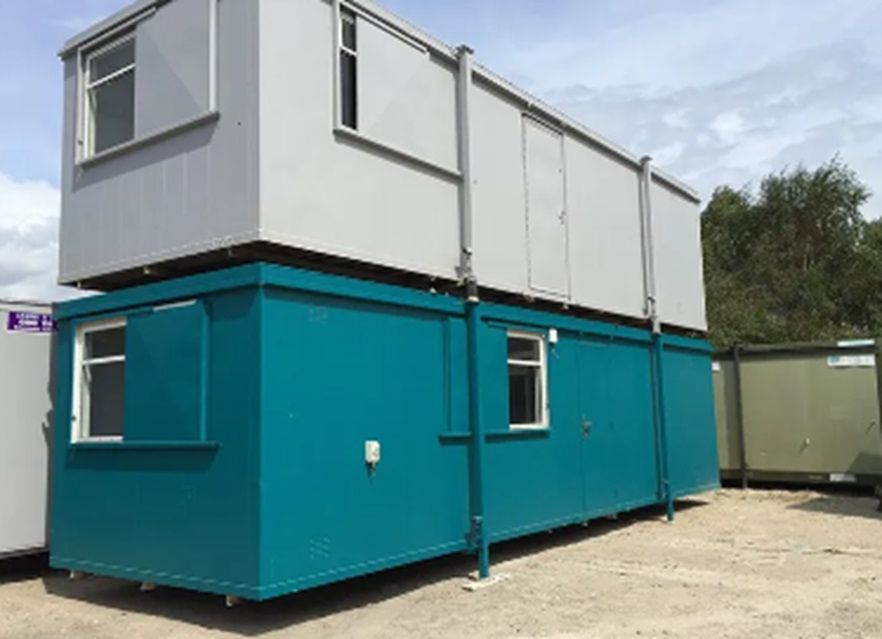
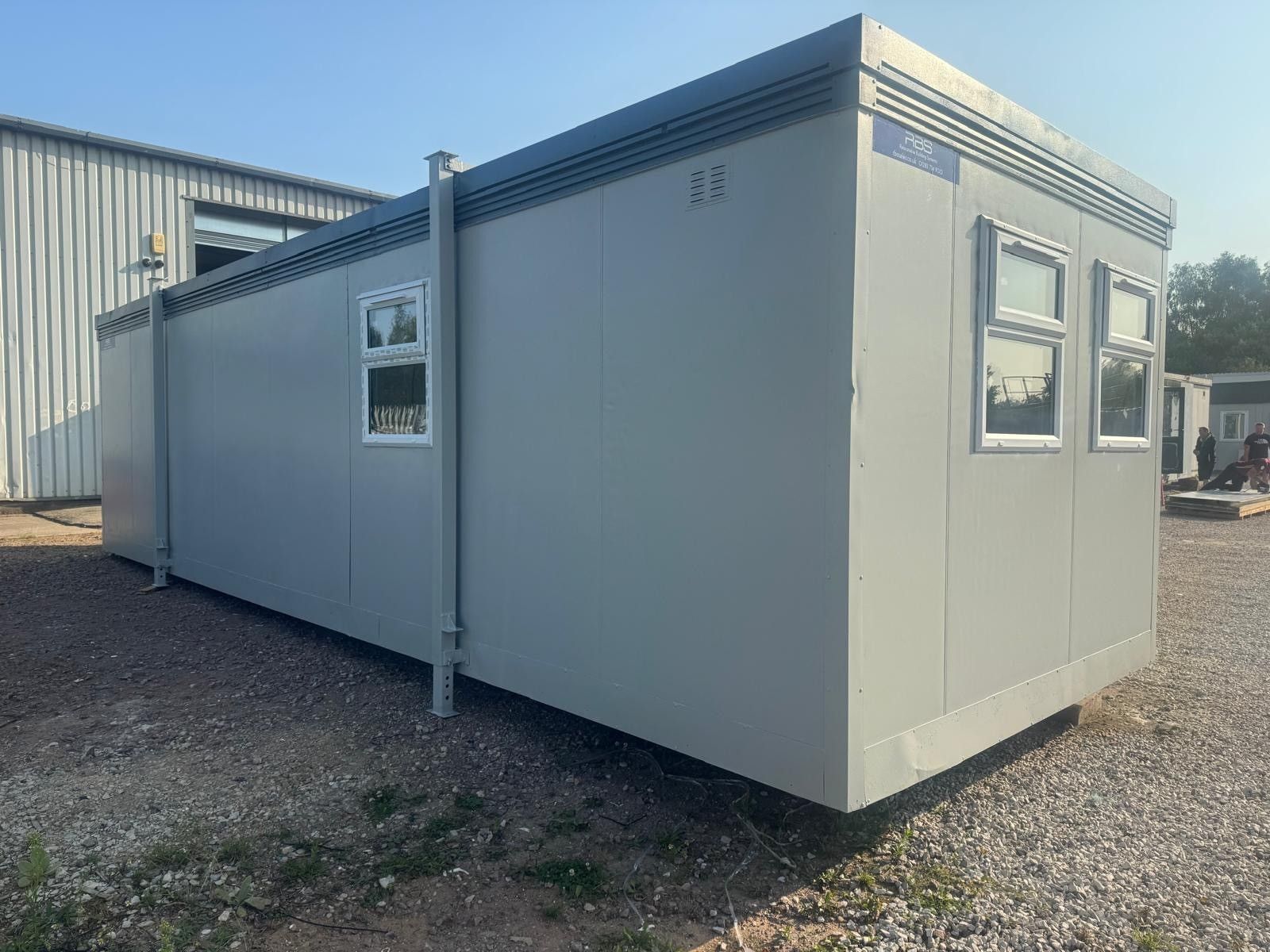
Refurbished doesn't mean worn out. At Relocatable Building Systems, refurbished units are previously used modular or portable buildings that have been stripped back, inspected and rebuilt to a high standard. That typically includes:
● New flooring, insulation and internal linings
● Repainted or re-clad exteriors
● Updated electrics, wiring and consumer units
● Replaced windows, doors and locking mechanisms
● Structural checks to confirm the frame and chassis are sound
A well-refurbished building can look and perform almost identically to a new one, particularly for short-to-medium-term hire or purchase needs. The key is working with a supplier who applies consistent quality checks rather than simply repainting a tired unit and calling it "refurbished."
Cost Differences: What You're Actually Paying For
Price is usually the biggest factor pulling buyers towards refurbished stock. Because the base structure already exists, refurbished buildings typically cost significantly less than an equivalent new-build unit, even after remedial work. That saving can be substantial on larger multi-bay projects, such as site accommodation complexes or welfare units, where the price difference multiplies across several linked modules.
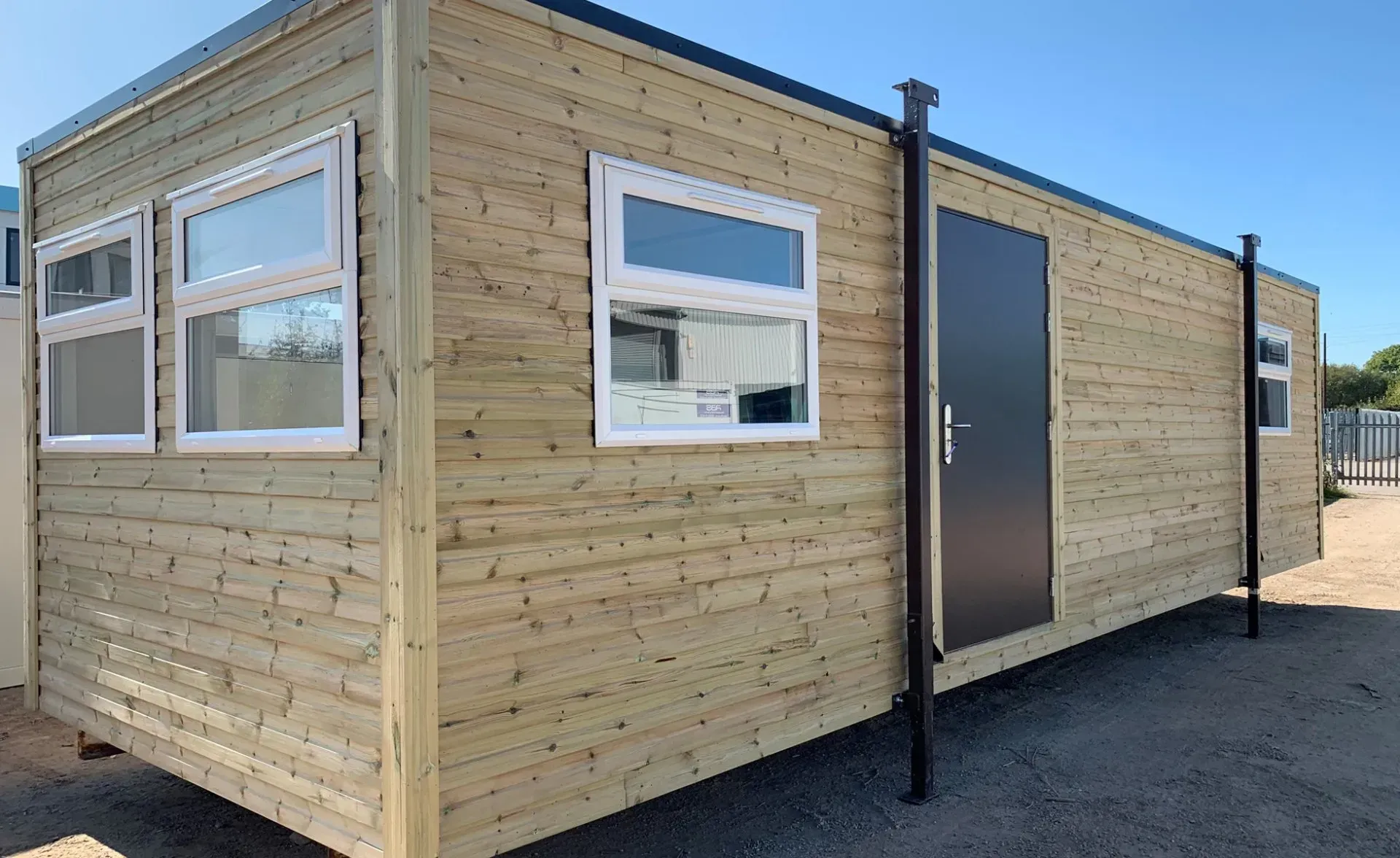
New buildings, on the other hand, carry a premium for bespoke design, current building regulations compliance, and materials specified to your exact requirements. If your project needs a building that will remain in continuous use for many years, a permanent-feeling marketing suite, a long-term classroom, or a head office extension, the higher initial outlay of a new unit often pays for itself through reduced maintenance and a longer useful life.
Lead Time: Speed vs Specification
If your site needs accommodation fast, refurbished stock has a clear advantage. Because these buildings already exist in a supplier's yard, they can often be inspected, finished and delivered far more quickly than a new-build order, which must go through design, manufacture and quality control from scratch.
This makes refurbished buildings a strong option for:
● Urgent construction site starts
● Short-notice welfare or office requirements
● Temporary cover while a permanent structure is built
● Budget-conscious projects with a defined end date
New buildings suit projects where the completion date is more flexible, or where the building itself is part of a longer-term strategy, such as a school extension or a purpose-built office block.
Lifespan and Long-Term Value
A quality-refurbished modular building, properly maintained, can still offer many more years of reliable service, but a new unit will generally outlast it, simply because every component starts its working life at the same point. If you're planning to keep the building for a decade or more, or if it will see heavy daily use (a busy site canteen or a full-time classroom, for example), new construction is usually the safer long-term investment.
However, if your requirement is genuinely temporary, a project lasting one to three years, seasonal accommodation, or a stopgap while permanent premises are sorted, a refurbished building lets you avoid paying for decades of lifespan you'll never use.
Sustainability Considerations
Choosing a refurbished modular building extends the working life of existing materials and reduces demand for new raw resources, timber and steel. For organisations with sustainability targets or a preference for circular, reused building stock, refurbished units are often the more responsible choice, provided the refurbishment work meets current insulation and energy performance standards.
Which Should You Choose?
There's no single right answer as it depends on your project. As a general guide:
Choose refurbished if:
● You need the building within days or a few weeks
● Your budget is fixed or limited
● The requirement is short-to-medium term
● You want a lower-impact, reused structure
Choose new if:
● The building needs to last many years
● You need a bespoke layout, size or specification
● The unit will see intensive daily use
● You want the latest insulation, security and accessibility features as standard
Getting Expert Advice
The best way to decide is to talk through your project specifics with a supplier who offers both options; that way, you get an honest recommendation rather than a sales pitch for whichever stock happens to be available. At Relocatable Building Systems, we supply and refurbish modular buildings and portable cabins across the UK, and we'll always point you towards the option that genuinely fits your timeline, budget and intended use.
Frequently Asked Questions
Is a refurbished modular building as safe as a new one?
Yes, provided it's been properly refurbished by a reputable supplier. This includes structural checks, updated electrics and compliance with current building regulations, not just a cosmetic refresh.
How much cheaper is refurbished compared to new?
Savings vary by size and specification, but refurbished units are typically considerably less expensive than an equivalent new-build, making them popular for budget-sensitive or short-term projects.
Can a refurbished building be customised?
To an extent. Layout changes, internal fit-outs and exterior finishes can usually be adapted, though full bespoke design is more achievable with a new-build unit.
How long do refurbished modular buildings last?
With proper maintenance, a well-refurbished unit can offer many further years of service, though exact lifespan depends on the building's age and condition before refurbishment.
Need help deciding between new and refurbished stock for your next project? Get in touch with the RBS team or browse our latest building stock to see what's currently available.