Getting a construction project off the ground requires more than plant, materials, and a capable crew. Before work can begin in earnest, you need somewhere to manage it all from. A well-equipped construction site office gives your team a central hub for planning, communication, and administration - and the sooner it's in place, the better. Whether you're running a small residential development or a large commercial build, setting up your site office quickly and correctly will pay dividends throughout the entire project.
Here's how to do it properly.
Decide What Type of Office You Need
The first step is choosing the right structure for your site. For most construction projects, the two main options are a portable cabin or a modular office building. The right choice depends on the size of your team, the duration of the project, and how much space you need.
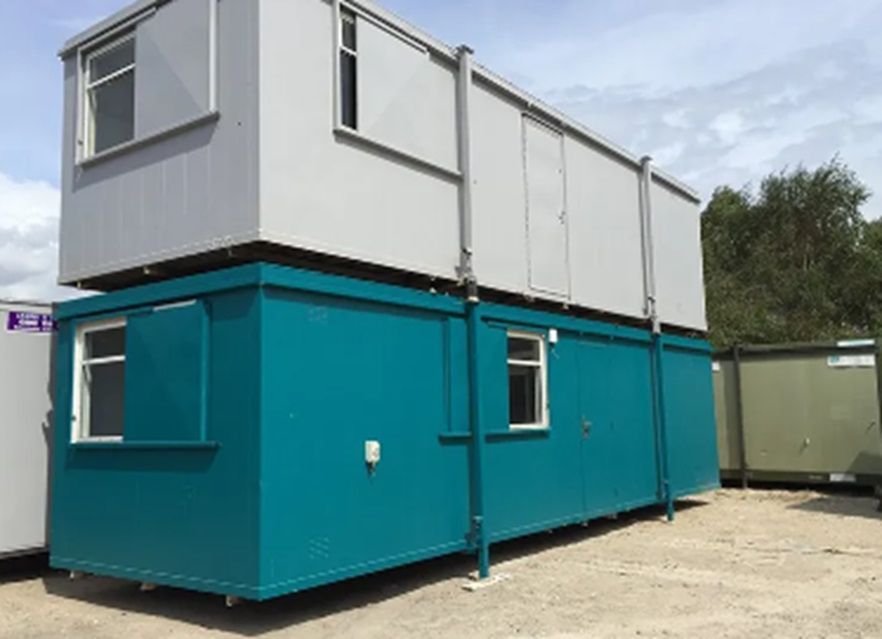
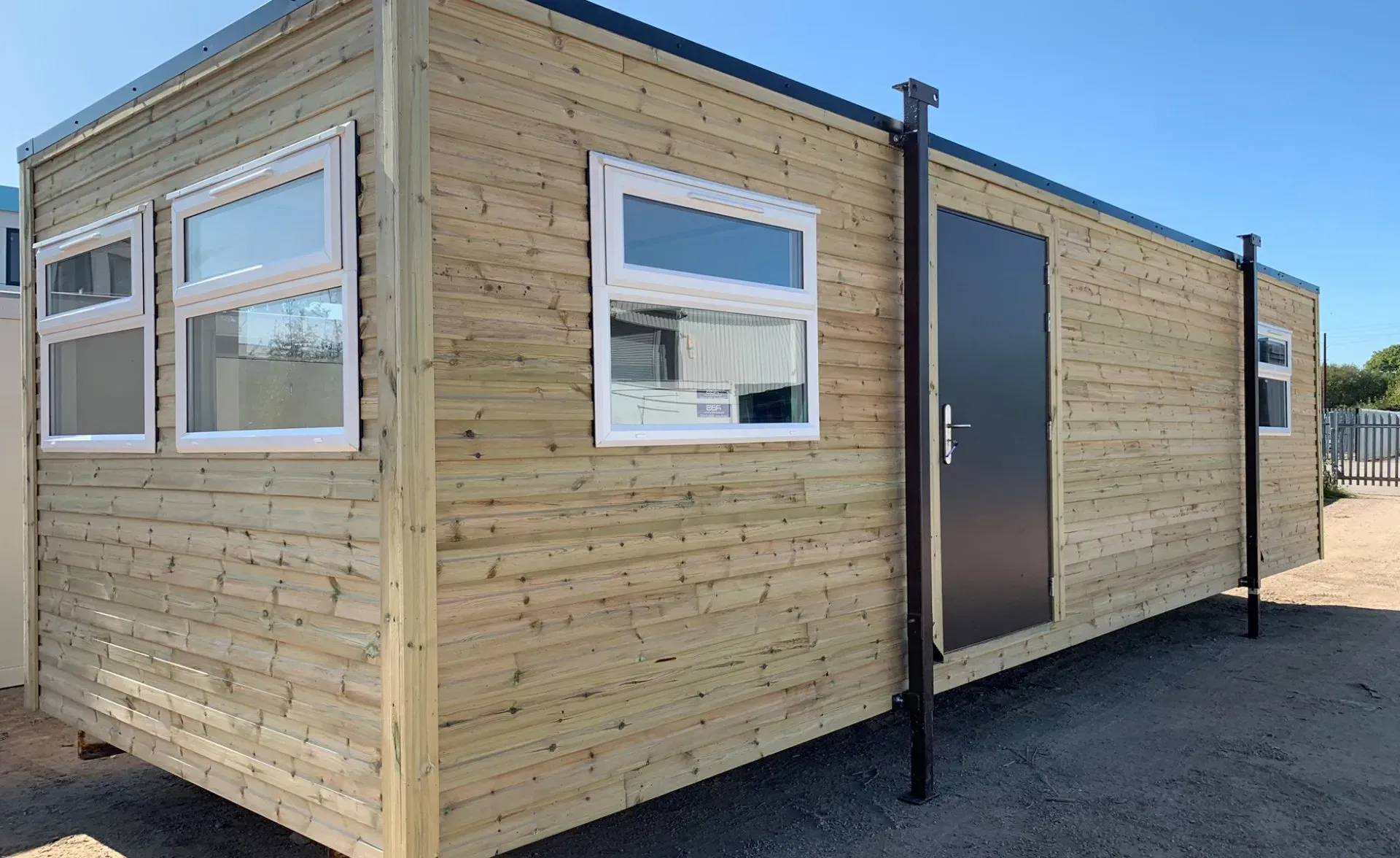
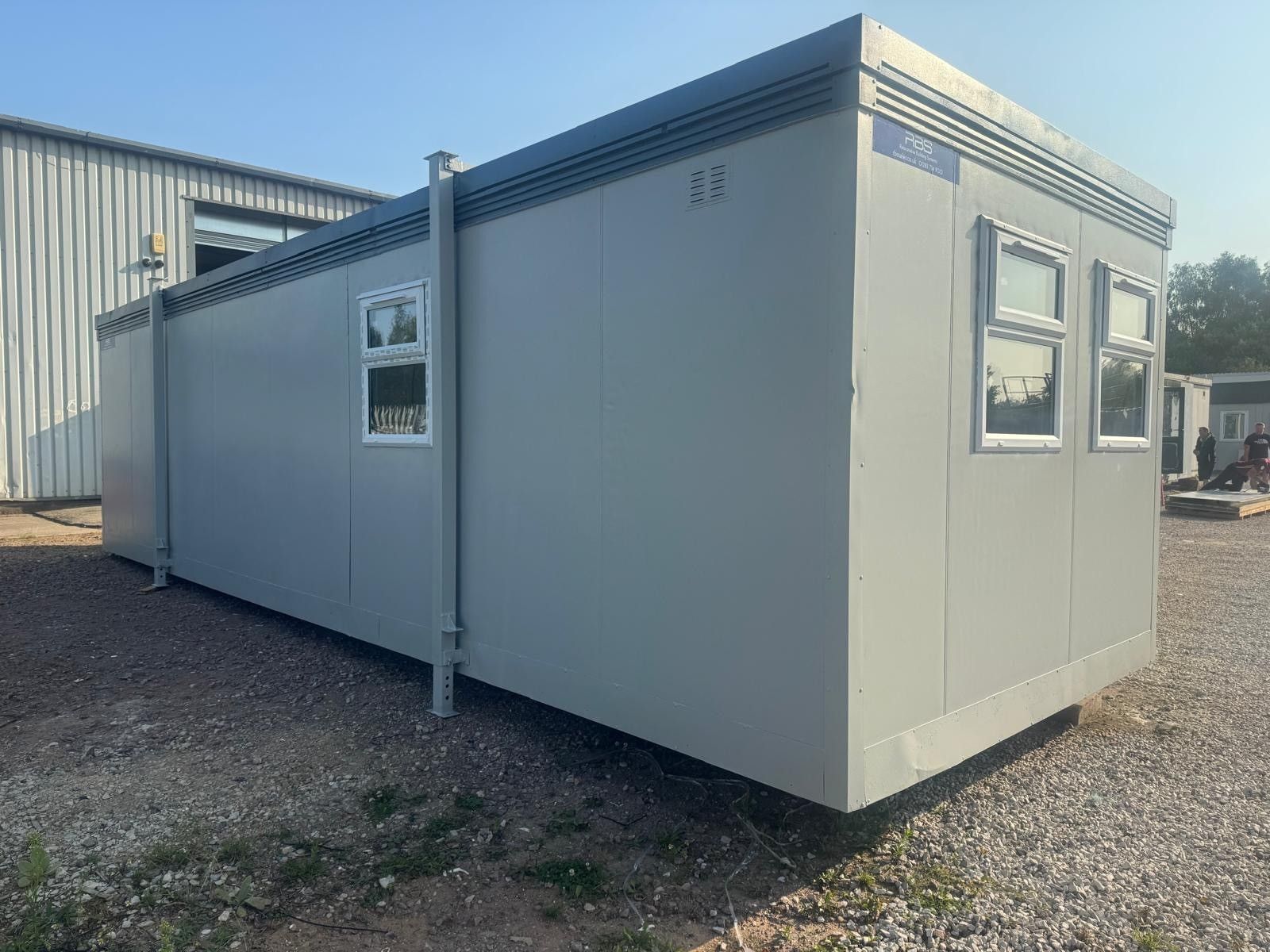
A portable cabin is an ideal solution when you need something delivered and ready to use with minimal lead time. Units are constructed off-site and arrive essentially finished, meaning installation is quick, and disruption to the rest of the site is limited. For longer projects, or those requiring multiple separate spaces such as a manager's office, a meeting room, and a welfare area, a modular building gives you greater flexibility. Modules can be linked together and configured to suit your exact requirements.
If space on site is at a premium, it's also worth considering a jackleg cabin, which is elevated on legs and can be positioned on uneven ground without the need for extensive groundworks.
Plan Your Site Layout Before Delivery
Before your office unit arrives on site, you should have a clear plan for where it's going to go. Placement matters more than people often realise. Ideally, your construction site office should be positioned near the site entrance so that it's easily accessible to visitors, deliveries, and staff arriving at the start of a shift. It should also have good sightlines across the site where possible, allowing managers to monitor activity without having to leave the office constantly.
Think carefully about ground conditions. The area where your office will sit needs to be level, stable, and well-drained. If the ground is uneven or soft, you may need to lay a concrete base or use adjustable steel supports. Planning this in advance avoids costly delays on delivery day.
Access for the delivery vehicle is another practical consideration. Make sure there's a clear route to the intended position, free from overhead obstructions and with enough turning space for the lorry.
Get Your Services Connected Quickly
A construction site office is only as useful as the services running to it. Electricity is the priority - without it, you can't power lighting, computers, printers, or heating. Arrange for a temporary power supply to be connected as early as possible. Many site offices run from a generator in the early stages before a mains connection is established, which is a perfectly practical short-term solution.
Water and drainage connections are worth planning for early too, particularly if your office will include toilet or welfare facilities. Having these in place from day one avoids the need for temporary alternatives that take up additional space and cost more to maintain.
It's also worth thinking about connectivity. A reliable internet connection is increasingly essential on construction sites, supporting project management software, video calls, and digital documentation. A mobile broadband router is a straightforward solution where a fixed line isn't immediately available.
Equip Your Office for Day-to-Day Use
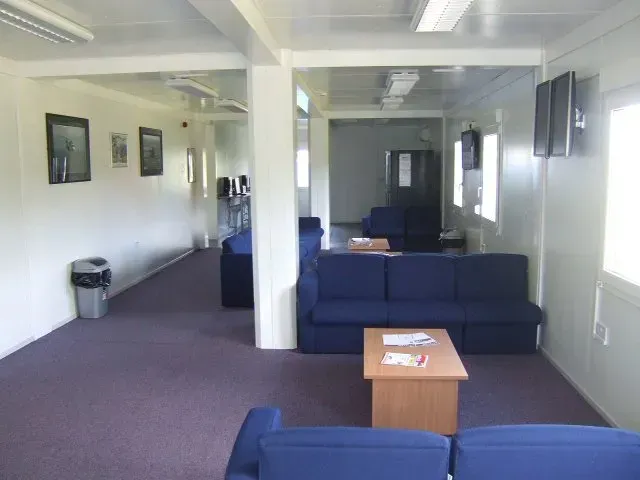
Once the structure is in place and services are connected, focus on fitting out the interior for practical use. At a minimum, your site accommodation should include adequate desk space, storage for drawings and documents, comfortable seating, and a clear area for meetings or briefings.
Wall-mounted whiteboards or pinboards are useful for displaying schedules, site plans, and health and safety notices. A lockable filing cabinet or secure drawer unit keeps sensitive documents protected. For sites with larger teams, a separate welfare area with a kettle, microwave, and seating helps keep morale high and gives workers somewhere to take their breaks away from the elements.
Don't overlook temperature control either. A cold office in January or a sweltering one in July will reduce productivity and comfort quickly. Modern site office units come fitted with heating as standard, and additional ventilation or cooling can be added where needed.
Think About Security From the Start
A construction site office holds valuable equipment, documentation, and potentially cash or keys. Security should be built into your setup from the outset rather than added as an afterthought. Anti-vandal cabins are purpose-built for demanding site environments, featuring steel construction and reinforced doors and windows that provide a significantly higher level of protection than standard units.
External security measures such as perimeter fencing, padlocks, and site lighting all contribute to deterring theft and unauthorised access. Positioning the office near the site entrance also helps, as it acts as a natural checkpoint for anyone entering the site.
Work With a Supplier Who Can Move Quickly
One of the biggest factors in how quickly your construction site office gets set up is the supplier you choose. Working with an experienced provider who holds stock and can arrange prompt delivery makes a significant difference, particularly on projects where time is critical.
With over 30 years of experience supplying temporary buildings across the UK, we understand the pressures that come with construction timelines. We can help you identify the right unit for your site, advise on placement and groundworks, and arrange delivery and installation to fit your programme.
Browse our latest building stock to see what's available, or get in touch with our team to discuss your requirements. We'll make sure your construction site office is up and running as quickly as possible, so you can focus on getting the job done.