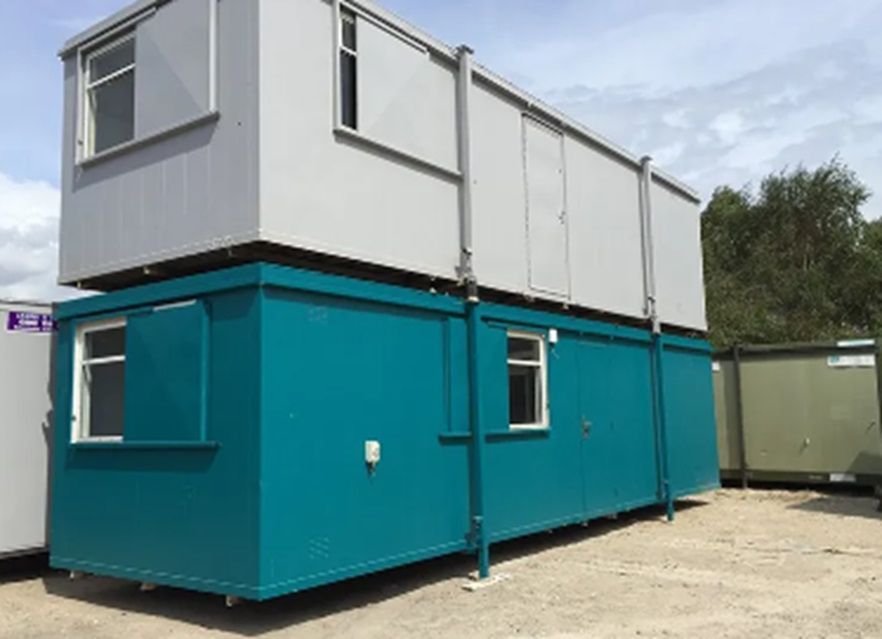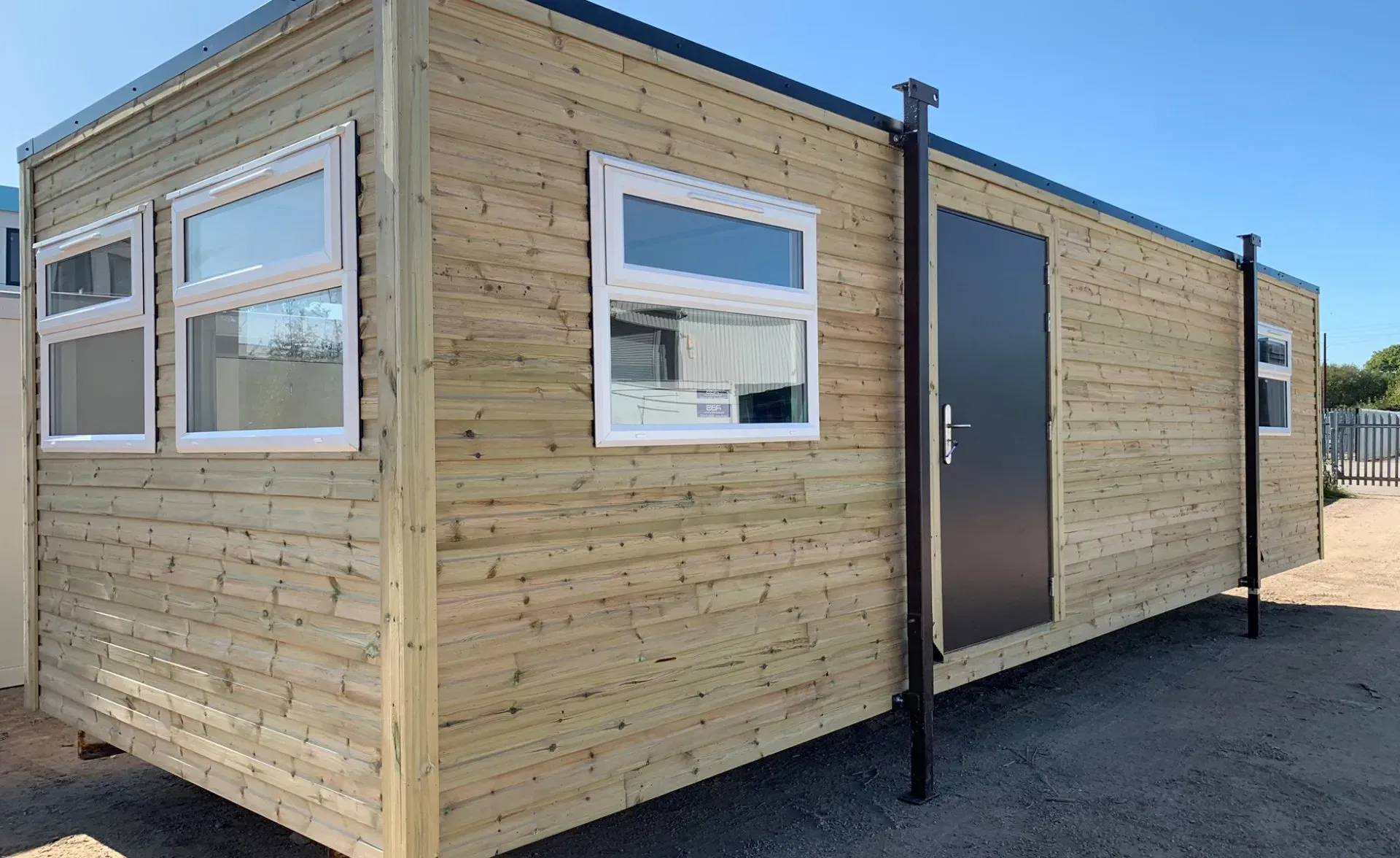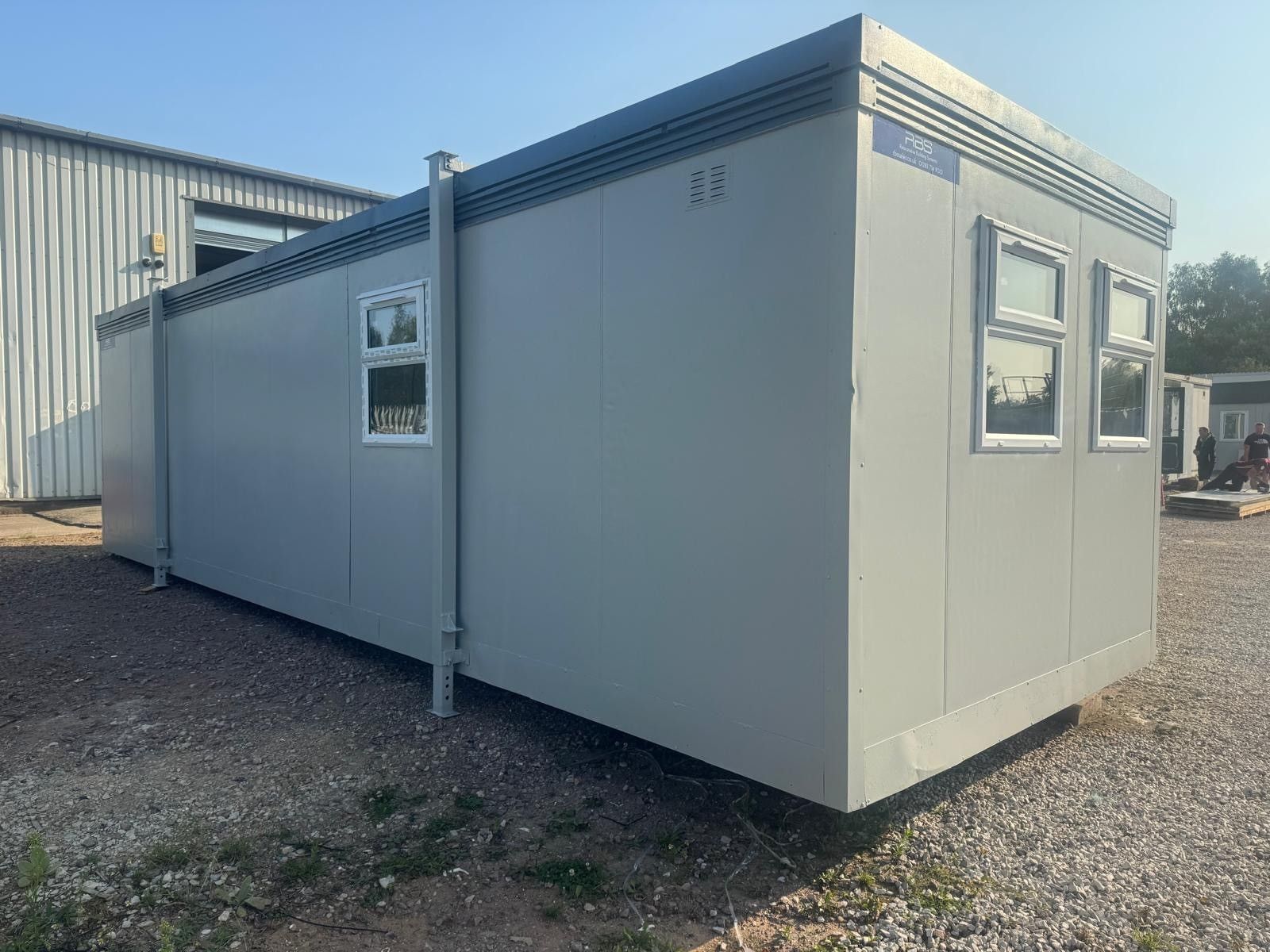
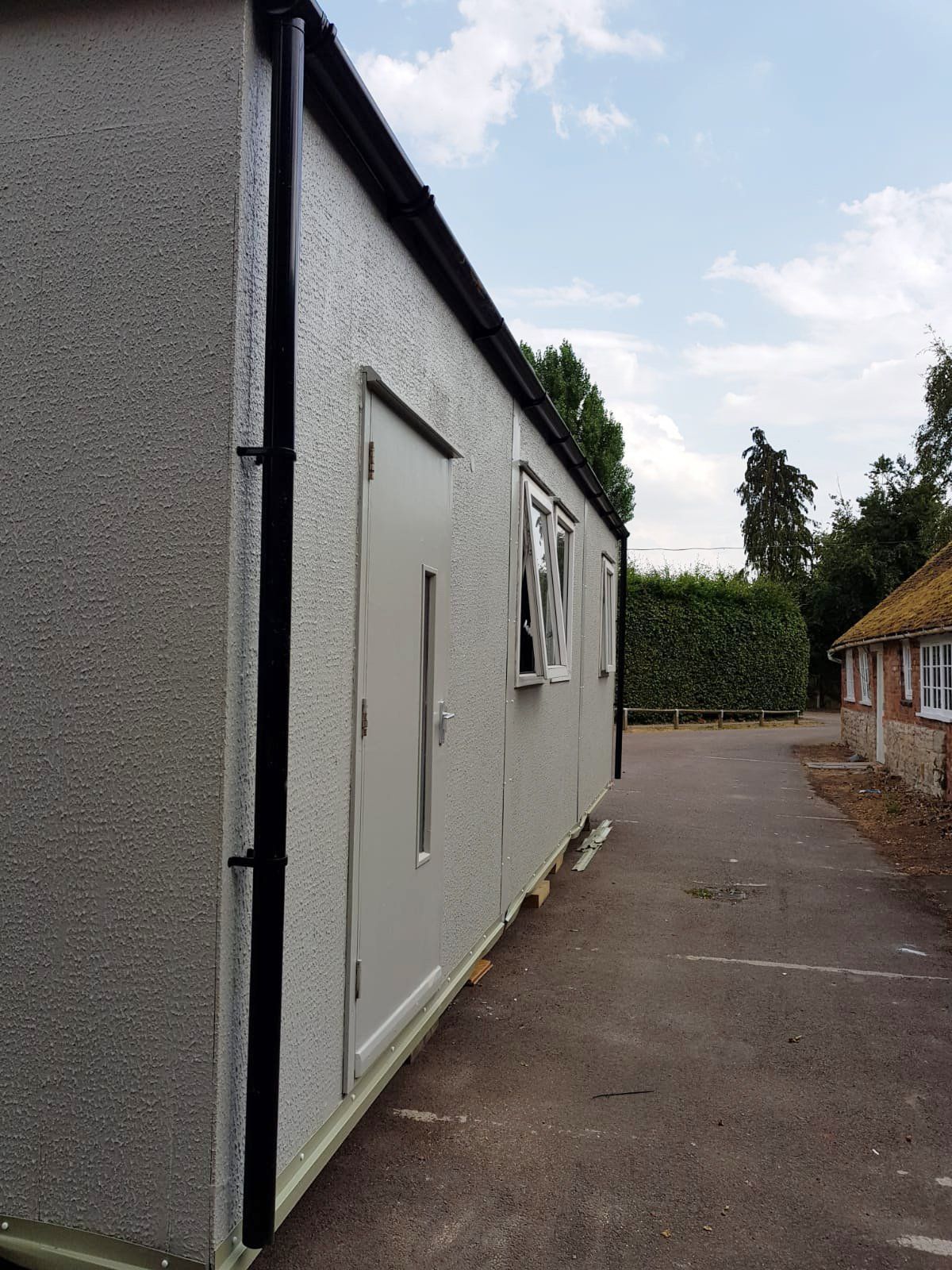
Choosing the right location for a modular building is just as important as selecting the building itself. Proper placement ensures your workspace functions efficiently, remains accessible and complies with site requirements. Whether you are installing a portable office on a construction project or using relocatable structures for commercial or educational purposes, careful planning can make a significant difference to the usability of the space.
With the right preparation, modular buildings can provide flexible, dependable accommodation that adapts to a wide range of environments.
Assess the Purpose and Daily Use
Before positioning a modular building, it is important to consider how the space will be used on a daily basis. A portable office for a busy construction site, for example, needs to be easily accessible for staff, visitors and deliveries. Placing the building close to site entrances or operational areas can help streamline day-to-day activities.
Ensure Suitable Ground Conditions
Another key factor when installing a modular building is the condition of the ground where it will be placed. The surface must be stable and properly prepared to support the structure safely and securely. In many cases, this involves groundwork such as concrete pads, foundations or levelled hardstanding.
A well-prepared base helps ensure that a portable office remains level and structurally sound, particularly on busy construction sites where ground conditions may change over time. Reliable groundwork also protects relocatable structures from unnecessary wear and helps extend their lifespan.
Plan for Access and Services
When installing a modular building, it is essential to consider access routes for both delivery and ongoing use. Large units must be transported to the site, so there needs to be sufficient space for vehicles and lifting equipment during installation.
Once installed, a portable office should remain accessible for staff and visitors while maintaining safe movement around the site. At the same time, relocatable structures may require connections for electricity, water, heating or data services.
Consider Flexibility for Future Changes
One of the main advantages of a modular building is its flexibility. Unlike traditional structures, modular units can often be repositioned, expanded or reconfigured as site requirements evolve.
This makes
relocatable structures particularly valuable for projects where space requirements may change over time. A portable office installed at the early stages of a development may later be moved or incorporated into a larger modular complex. Planning placement with this flexibility in mind allows your building to adapt alongside your project.
Get Advice on Modular Building Placement
Installing a modular building in the right location helps maximise efficiency, safety and long-term usability. With expert planning and professional installation, your portable office or other relocatable structures can provide dependable workspace wherever it is needed.
If you are planning a new modular installation,
contact our team at Relocatable Building Systems Ltd today to discuss your requirements. We will help you find the ideal building and ensure it is positioned perfectly for your project.