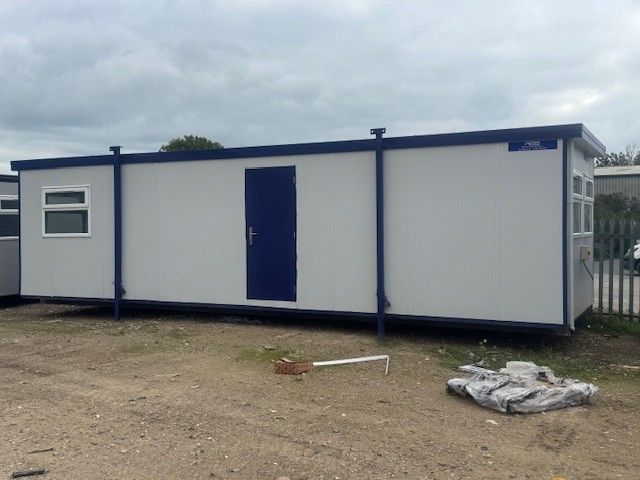
Modular buildings, known for their versatility and cost-effectiveness, are an increasingly popular choice for temporary and permanent structures across various industries. As businesses and organisations seek sustainable alternatives to traditional building methods, refurbished modular buildings offer an affordable solution without compromising quality.
However, a common question arises: How long do refurbished modular buildings last? In this blog, we’ll explore the lifespan of refurbished modular buildings, the factors that influence their durability, and how a well-executed refurbishment process can extend the longevity of portable cabins and modular buildings.
What is a Refurbished Modular Building?
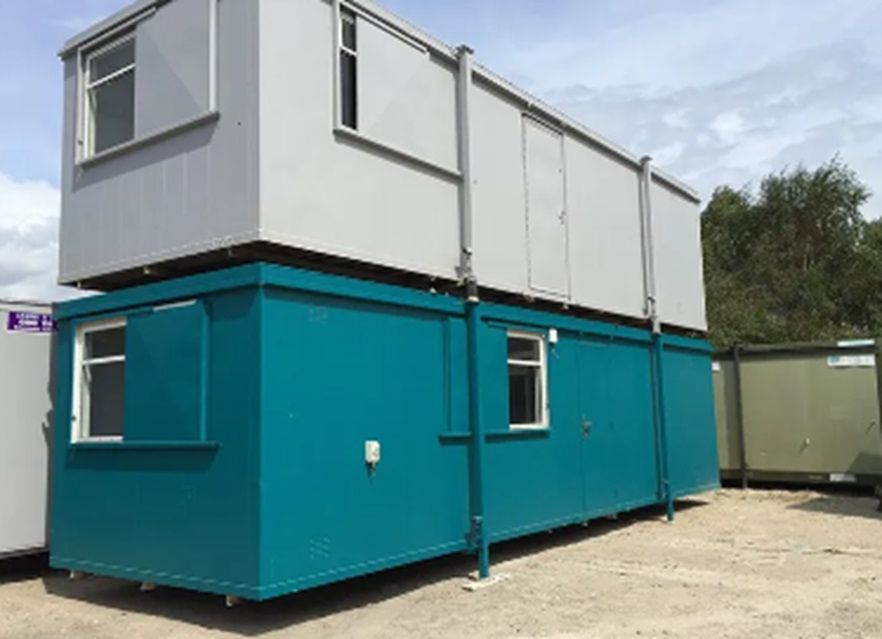
Before delving into the lifespan, it’s important to define what a refurbished modular building is. A modular building is constructed off-site, often in a factory setting, and then transported to the desired location for assembly. These buildings are typically made up of several pre-fabricated modules, which are connected together to form a complete structure.
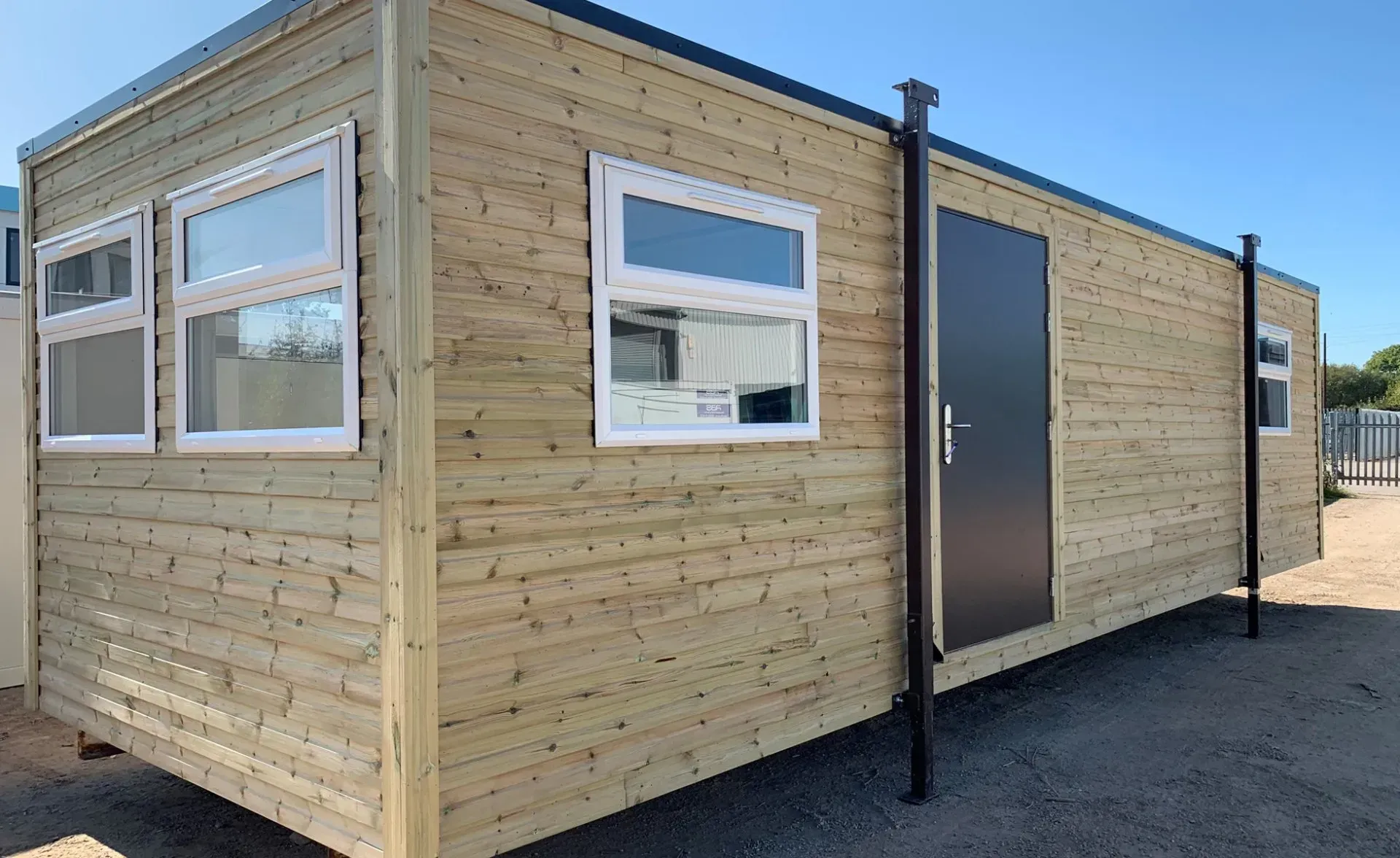
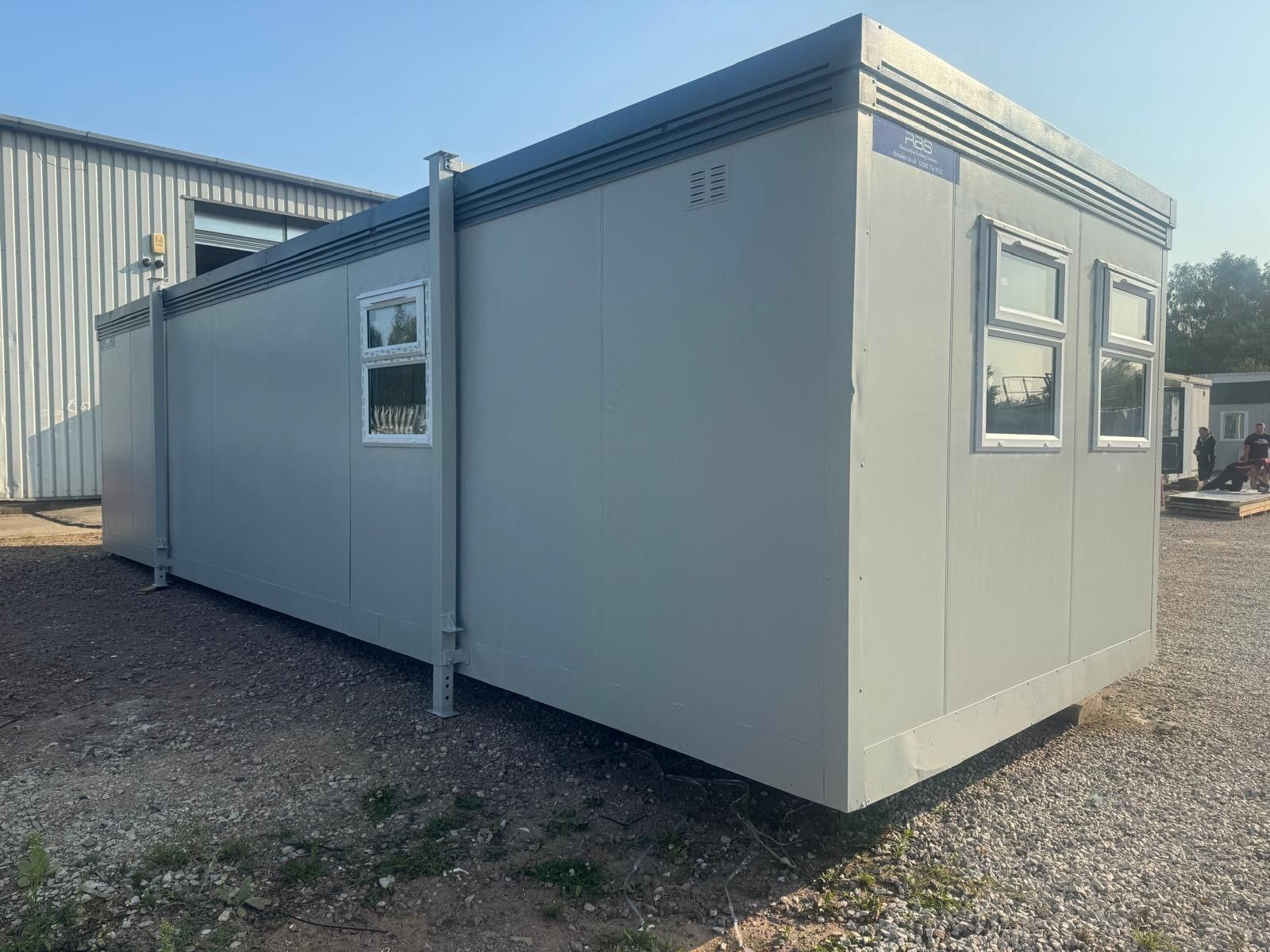
A refurbished modular building, on the other hand, is an existing modular building that has undergone significant upgrades or repairs to improve its condition and extend its functionality. The refurbishment process can range from simple aesthetic changes to more extensive structural and mechanical improvements. The key advantage of refurbishment is that it allows businesses to obtain a building that is almost as good as new, but at a fraction of the cost of a completely new build.
Factors Affecting the Lifespan of Refurbished Modular Buildings
Several factors contribute to the lifespan of a refurbished modular building. Let’s explore some of the most significant ones.
1. Quality of the Original Structure
The initial construction quality plays a major role in determining how long a modular building can last. Well-built modular buildings made from high-quality materials are likely to last much longer, even when refurbished. If the original structure was built using durable materials such as steel, reinforced concrete, and high-quality insulation, the refurbishment process will often require fewer repairs or replacements.
Buildings constructed with cheap or inferior materials may need more extensive work during the refurbishment phase and might not provide the same level of longevity.
2. Refurbishment Process and Materials Used
The type of refurbishment process carried out can significantly impact the lifespan of the building. A thorough refurbishment will address both the structural and aesthetic aspects of the building, ensuring that all elements are in good working order. Common areas of focus include:
Roofing
Replacing or repairing the roof is one of the most critical parts of the refurbishment process. If the roof is not properly maintained, it can lead to leaks and water damage, which will shorten the building's lifespan.
Insulation and Cladding
Updating or replacing insulation helps ensure that the building remains energy-efficient, reducing wear and tear caused by fluctuating temperatures. Refurbishing the cladding will also protect the structure from external elements.
Plumbing and Electrical Systems
Over time, the plumbing and electrical systems in modular buildings can deteriorate. A proper refurbishment includes upgrading these systems to ensure that they continue to function efficiently for years to come.
Interior Finishes
From flooring to walls, interior finishes can wear out over time. By replacing worn-out finishes, you not only enhance the appearance but also improve the functionality of the space.
When high-quality materials are used in the refurbishment process, the building will be more resistant to wear and tear, ultimately extending its useful life.
3. Maintenance and Care
The longevity of a refurbished modular building also depends on how well it is maintained. Regular inspections, timely repairs, and proper care can go a long way in ensuring that the building remains functional for many years. For example, annual inspections of the roof, plumbing, and electrical systems can prevent small issues from turning into costly problems.
Buildings that are subjected to heavy use without adequate maintenance may wear down more quickly, reducing their lifespan. Therefore, it’s essential to have a maintenance plan in place to keep the building in good condition.
4. Environmental Factors
The environment in which the modular building is placed will also impact its lifespan. Buildings located in areas with extreme weather conditions, such as heavy rainfall, high winds, or extreme temperatures, will experience more wear and tear. This is why choosing durable materials and undertaking comprehensive refurbishments becomes even more important in challenging environments.
Additionally, exposure to factors like coastal saltwater or high humidity levels can contribute to the corrosion of metal components. Taking environmental factors into account during the refurbishment process ensures that the building is equipped to handle the specific conditions of its location.
5. Usage Patterns
How the modular building is used can also affect its lifespan. Buildings that are used as offices, classrooms, or storage units may experience less wear and tear than those used in more demanding environments, such as construction sites or temporary accommodation. A building used for high-traffic purposes may require more frequent maintenance and refurbishment to keep it in good condition.
6. Warranties and Guarantees
When purchasing a refurbished modular building, it’s important to ensure that the supplier offers warranties or guarantees on the work completed. A good warranty can provide peace of mind, knowing that the building is covered for any potential defects or issues that may arise after refurbishment. It’s also a sign that the supplier is confident in the quality of their work and the longevity of the building.
At Relocatable Building Systems, we take pride in providing refurbished modular buildings that come with warranties for additional security and assurance. Our comprehensive refurbishments ensure that your building remains reliable and durable for many years to come.
Comparing Refurbished Modular Buildings to New Builds
While new modular buildings offer the latest design features and state-of-the-art materials, refurbished modular buildings present a strong alternative at a more affordable price point. However, it’s important to understand the key differences between the two options, especially in terms of lifespan.
Cost Efficiency
Refurbished modular buildings are generally more cost-effective than new builds, as they reuse the existing structure and materials. This can make them an attractive option for businesses on a budget.
Longevity
While new modular buildings are constructed with the latest materials and technology, refurbished buildings can still last for many years when properly maintained. In fact, with the right refurbishment process, the lifespan of a refurbished building can be extended significantly, making it a viable long-term investment.
Customisation
New builds often offer more flexibility in terms of design and customisation. However, refurbished modular buildings can still be adapted to meet specific needs, depending on the extent of the refurbishment.
In conclusion, while a new modular building may offer a longer initial lifespan, a well-refurbished modular building can provide comparable longevity and is often the more economical option.
How Long Do Refurbished Modular Buildings Last?
The lifespan of a refurbished modular building can vary depending on several factors. However, with proper maintenance and refurbishment, these buildings can last anywhere from 25 to 40 years, or even longer. The key is ensuring that the refurbishment is done thoroughly and with high-quality materials, and that regular maintenance is performed to address any wear and tear over time.
At Relocatable Building Systems, we offer comprehensive refurbishment services for portable cabins and modular buildings, ensuring that your building remains in excellent condition for years to come. With our expertise in portable building refurbishment, you can rest assured that your building will stand the test of time.
The Long-Term Value of Refurbished Modular Buildings
Refurbished modular buildings offer an excellent solution for those seeking durable, cost-effective structures. With the right materials, processes, and maintenance, these buildings can provide a long lifespan comparable to new builds. Whether you need a portable cabin for temporary use or a modular building for a more permanent setup, investing in additional building services such as refurbishment can be a smart and sustainable choice.
If you’re considering a refurbished modular building, contact us at Relocatable Building Systems today to discuss your needs and explore our latest building stock. Let us help you find a solution that offers both longevity and value.