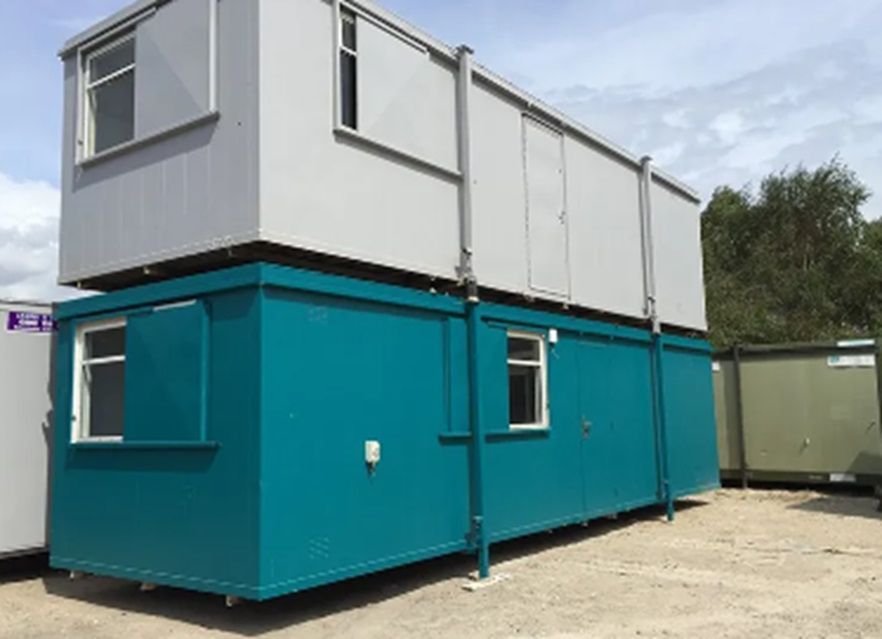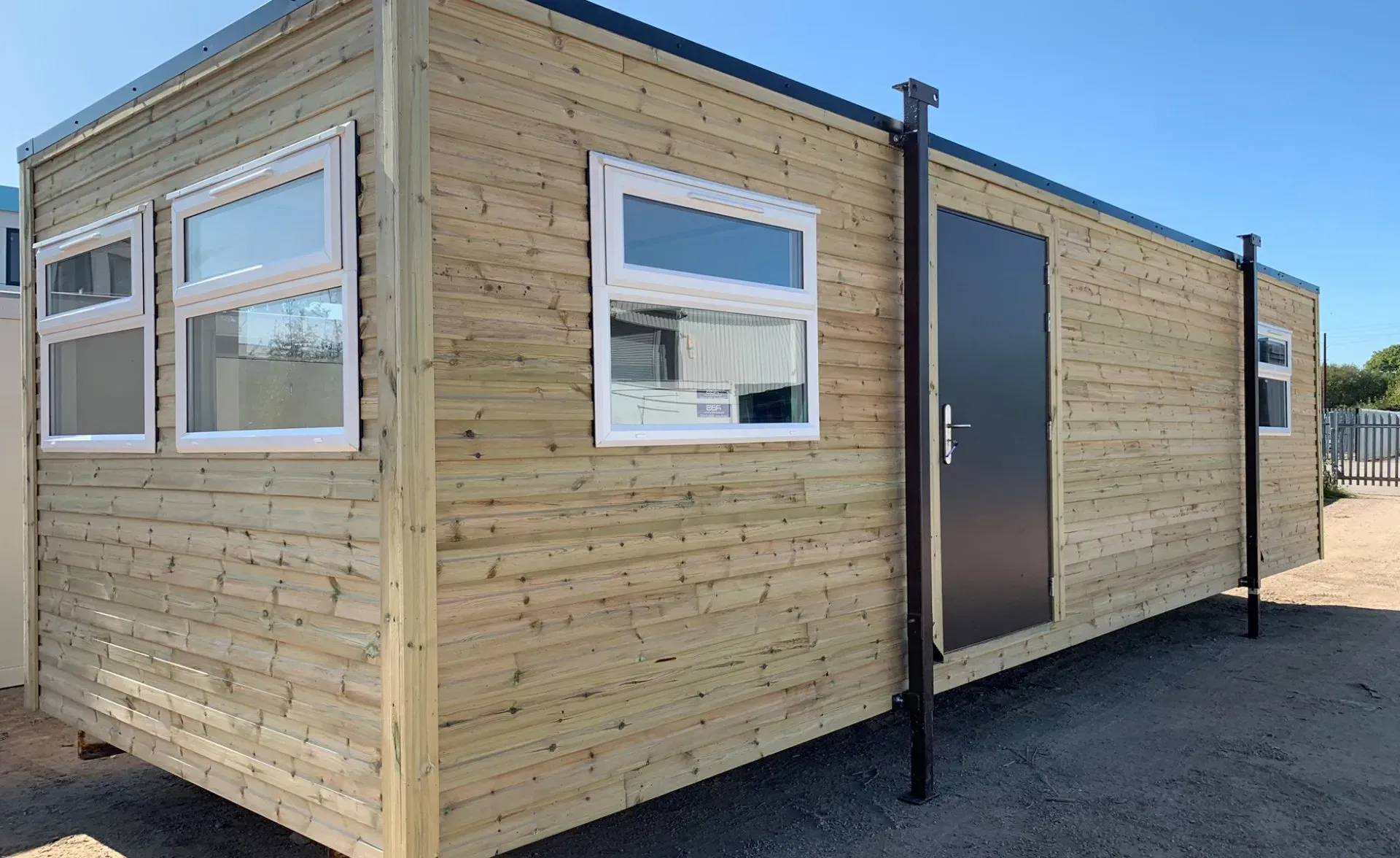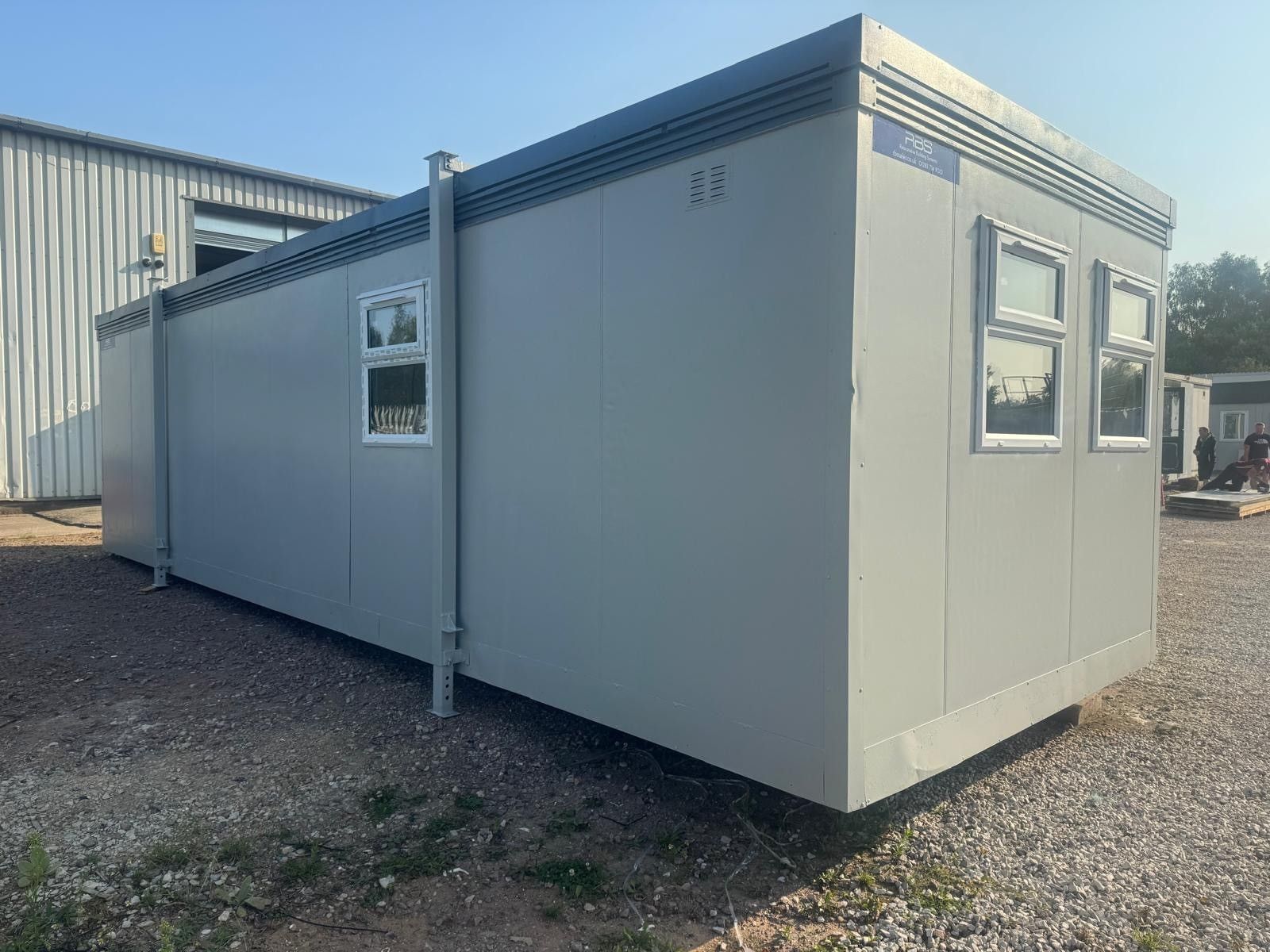
If your business is expanding, relocating, or managing a live construction project, installing a temporary office can be an efficient and cost-effective solution. Whether you are considering a standalone cabin, a modular office, or larger commercial modular buildings, one of the first questions you are likely to ask is: Do you need planning permission?
The answer depends on several factors, including how long the structure will remain in place, where it is located, and how it will be used. As a Derby-based supplier of temporary buildings working nationwide, we regularly support organisations through this process, helping them understand their responsibilities and avoid unnecessary delays.
In this guide, we break down when planning permission is required, the key exceptions, relevant time limits, and how to ensure your temporary building remains compliant.
Understanding What Counts as a Temporary Office
Before looking at planning rules, it is important to understand how local authorities define a temporary office or temporary building.
In planning terms, the word temporary does not simply refer to a structure that can be moved. Many modular office units and site accommodation cabins are designed to be relocatable, but if they are installed on a site for a significant period and connected to services such as water and electricity, they may still be considered development.
A temporary office can range from a small portable cabin used on a building site to larger commercial modular buildings configured as office suites, marketing suites, classrooms or welfare facilities. Even though these structures are manufactured off-site and delivered ready for use, their placement on land is what planning authorities assess.
The key considerations are permanence, physical attachment to the ground, and intended duration of use.
When Planning Permission Is Usually Required
In many cases, planning permission will be required if you are placing a temporary building on land for business use, particularly if it will remain there for an extended period.
Changes to the Site
If you are installing a modular office on commercial premises and it materially changes the use or layout of the site, this may constitute development. For example, adding a large office complex within a yard or car park could affect traffic flow, visual appearance, or neighbouring properties. In such cases, the local planning authority is likely to require a formal application.
Land Usage
Similarly, if you are placing site accommodation on land that does not already have the appropriate use class, planning permission is usually necessary. For instance, positioning a temporary office on agricultural land for administrative purposes unrelated to agriculture would almost certainly need consent.
Size of the Temporary Building
Height, size and positioning also play a role. Larger commercial modular buildings are more likely to require permission than small, short-term cabins, especially if they are visible from public highways or neighbouring properties.
Situations Where Planning Permission May Not Be Required
There are circumstances where planning permission may not be needed, particularly where permitted development rights apply.
Permitted Development
On construction sites, temporary site accommodation used solely for the duration of building works may fall under permitted development, provided it is genuinely temporary and removed once the project is complete. For example, a contractor installing a temporary office and welfare unit while constructing a new warehouse may not need separate planning permission if the structure is ancillary to the main approved development.
Within Certain Time Limits
Time limits are crucial. In many cases, structures that remain on site for fewer than 28 days in a calendar year may not require planning permission. However, this is not a blanket rule and does not apply in all scenarios, particularly for commercial uses or where the land has specific restrictions.
Specialist Facilities
Schools and healthcare facilities may also benefit from certain allowances when installing a temporary building to address urgent capacity needs, though this still depends on local authority interpretation and the scale of the installation.
Because regulations vary and can be influenced by local planning policies, it is always advisable to confirm with the relevant authority before proceeding.
The Importance of Time Limits
One of the most misunderstood aspects of planning law is the concept of time.
Many businesses assume that because a structure is described as a temporary office, it automatically avoids planning requirements. In reality, planning authorities are concerned with how long the building will remain in place and whether it alters the character of the site.
A temporary building installed for several years can, in planning terms, be treated similarly to a permanent structure. Even though modular office units are designed to be relocatable, their duration on site determines how they are assessed.
If permission is granted, it is often subject to a temporary consent condition. This might allow the structure to remain for a fixed period, such as three or five years, after which it must be removed or a new application submitted. It is essential to monitor these deadlines to remain compliant.
Other Regulatory Considerations
Planning permission is only one part of the compliance picture. Even if your temporary building does not require planning consent, it must still comply with Building Regulations where applicable.
Commercial
modular buildings used as offices typically need to meet standards for structure, fire safety, insulation, ventilation and accessibility. At Relocatable Building Systems, we ensure that all new and refurbished units are designed to meet current regulations, giving you confidence in both safety and performance.
Health and safety requirements are also relevant, particularly on active construction sites. Adequate welfare provision, safe access and proper installation are essential. As Constructionline and Alcumus SafeContractor-accredited specialists with over 30 years of experience, we understand the practical and regulatory demands placed on UK businesses.
Working with Your Local Planning Authority
Engaging with your local planning authority early can save significant time and cost. Many councils offer pre-application advice services, allowing you to outline your proposed temporary office or modular office installation and receive initial feedback.
Providing clear drawings, site plans, and details of intended use will help the authority assess whether planning permission is required. It also demonstrates a proactive approach to compliance, which can support smoother approval if a formal application is necessary.
If permission is required, conditions may relate to appearance, landscaping, access or the length of time the temporary building can remain. Understanding these conditions at the outset ensures there are no surprises later.
How We Support You Through the Process
As a Derby-based supplier working nationwide, we do more than simply deliver a temporary office to your site. We provide guidance from initial enquiry through to installation, helping you navigate practical and regulatory considerations.
With extensive experience supplying modular office units,
site accommodation, marketing suites and larger commercial modular buildings, we understand the questions local authorities are likely to ask. We can provide detailed specifications, layout drawings and technical information to support your discussions with planners.
Our comprehensive turnkey service covers delivery, assembly and installation, ensuring your temporary building is ready for use without delay. If you are unsure whether planning permission is required, we can help you identify the right questions to ask and point you towards appropriate professional advice where necessary.
Because every project is different, we tailor each solution to your exact requirements, whether you need a single portable office cabin or a multi-unit modular complex.
Balancing Flexibility and Compliance
One of the main advantages of a temporary office is flexibility. Modular construction allows you to scale your workspace up or down as your needs change. Units can be relocated, reconfigured or removed entirely.
However, flexibility does not remove the need for compliance. Careful planning at the outset ensures that your temporary building supports your operations without creating legal or regulatory issues.
By understanding when planning permission is required and seeking guidance early, you can avoid enforcement action, fines or costly alterations.
Making the Right Decision for Your Business
Deciding whether you need planning permission for a temporary office depends on location, duration, size and intended use. While some short-term site accommodation linked to active construction projects may fall under permitted development, many longer-term installations will require formal consent.
Taking a cautious and informed approach protects your investment and ensures your modular office or commercial modular buildings can be used with confidence.
If you are considering installing a
temporary building and want clear, straightforward advice, we are here to help. With over three decades of experience supplying high-quality temporary offices and site accommodation across the UK, we combine practical expertise with a thorough understanding of industry requirements.
To discuss your project and find the right solution for your business,
get in touch with us today. Let us help you create a compliant, cost-effective temporary office that works for you from day one.